
What Animal Communication does?
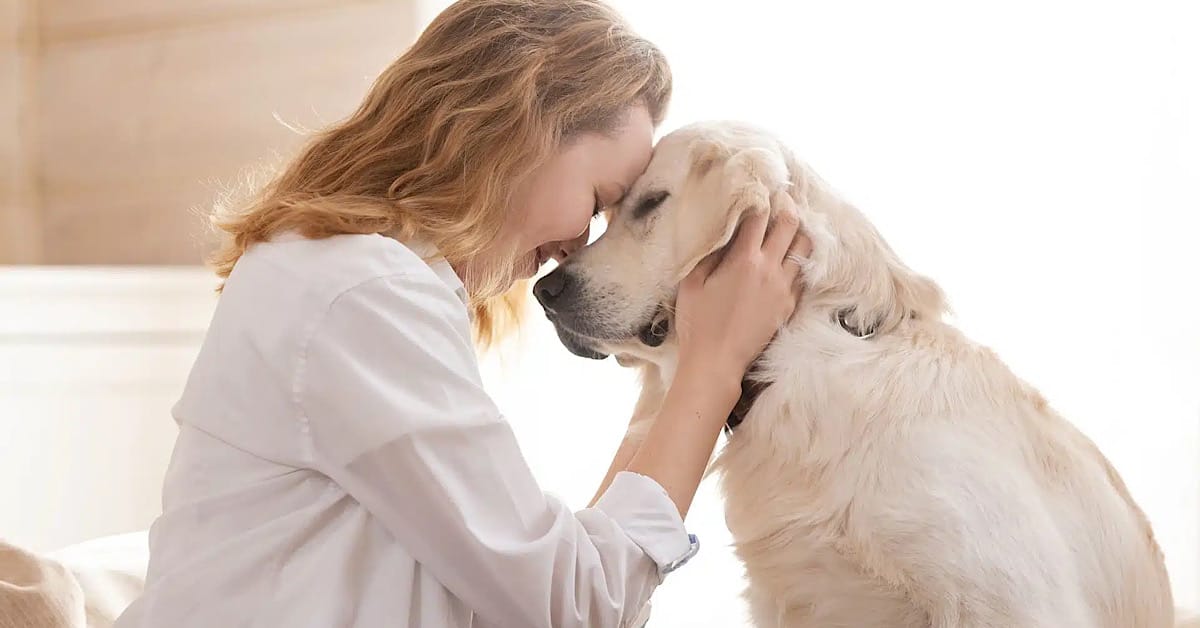
How can Animal Communication help you and your pets?
Animal Communication can provide valuable insight into your pet’s emotions, thoughts, behaviour, and well-being. By better understanding your animal companion, owners are often able to improve their pet’s quality of life, strengthen their relationship, and resolve misunderstandings more effectively.
Whether you are facing behavioural issues, emotional concerns, environmental changes, end-of-life situations, or searching for a lost pet, Animal Communication can help provide clarity, guidance, and emotional support for both pets and owners.
Understanding Your Pet Better
Animal Communication is a two-way form of communication between pets and their owners.
During a session, your pet may share:
- Their likes and dislikes
- Their emotions and feelings
- Concerns or fears
- Preferences regarding food, routines, environment, or handling
- Thoughts about family members or other pets
- Emotional stress or discomfort
Sometimes pets display behaviours that owners find difficult to understand, such as:
- Excessive barking
- Aggression or biting
- Destructive chewing
- Hyperactivity
- Anxiety or fearfulness
- Withdrawal or depression
- Changes in appetite or drinking habits
In many cases, these behaviours are symptoms of underlying emotional stress, fear, confusion, insecurity, environmental pressure, or unmet needs.
Animal Communication helps owners gain a clearer understanding of the possible root causes behind these behaviours, allowing them to make better decisions and provide more suitable support, training, management, or lifestyle adjustments for their pets.
A better understanding often leads to a calmer, happier, and more trusting relationship between pets and their owners.
Improving Your Pet’s Quality of Life
Pets cannot verbally tell us when they are uncomfortable, anxious, stressed, or emotionally overwhelmed. Sometimes subtle behavioural changes may be their only way of expressing discomfort.
Animal Communication may help identify:
- Emotional stress or anxiety
- Nervous or fearful behaviour
- Environmental discomfort
- Sensitivity towards certain situations or people
- Changes in mood or personality
- Areas of physical discomfort or irritation
- Lifestyle changes affecting emotional well-being
By understanding your pet’s emotional and mental state more clearly, owners may be able to make adjustments that improve their pet’s daily comfort, emotional stability, and overall quality of life.
Animal Communication is not a replacement for veterinary care, diagnosis, or medical treatment. However, it can complement professional veterinary and behavioural support by providing additional emotional insight into your pet’s experiences and feelings.
Helping Pets Adjust to Environmental Changes
Major life changes can be stressful for many animals.
Situations such as:
- Moving house
- Introducing a new baby
- Adopting another pet
- Changes in family dynamics
- Renovation work
- Changes in routine or caregivers
may cause confusion, insecurity, jealousy, fear, or anxiety in pets.
Animal Communication can help prepare your pet emotionally for upcoming changes by helping them better understand what is happening around them. Many owners find that this process helps pets feel more reassured, respected, included, and emotionally supported during transitions.
Helping pets feel emotionally safe during periods of change can reduce stress-related behaviours and improve adjustment to new environments or family situations.
Animal Communication During Illness or End-of-Life Care
One of the most meaningful uses of Animal Communication is during periods of illness, ageing, palliative care, or end-of-life transition.
When a beloved pet becomes seriously ill or approaches the end of life, owners often experience deep sadness, uncertainty, helplessness, and emotional pain. Animal Communication may provide comfort and emotional closure by helping owners better understand their pet’s feelings, needs, and emotional state during this difficult period.
Many owners hope to know:
- Whether their pet is emotionally at peace
- What comforts their pet most
- If there are unresolved emotions
- Their pet’s feelings towards the family
- Messages of love, gratitude, or reassurance
These sessions can be deeply emotional and healing for both pets and owners, helping strengthen connection, reduce guilt, and provide a more peaceful transition experience.
As loving owners, being able to better understand and honour our pets’ emotional needs during their final stage of life can be one of the greatest gifts we give them.
Animal Communication for Lost Pets
Losing a beloved pet can be frightening and emotionally overwhelming.
Animal Communication for lost pets aims to assist owners by gathering intuitive impressions, emotional feelings, images, environmental clues, and possible behavioural patterns connected to the missing animal.
Some examples may include:
- Surrounding environments or landmarks
- Emotional state of the animal
- Possible movement patterns
- Nearby objects, sounds, or locations
- Indications of fear, hiding, injury, or familiarity
This information may help owners narrow down search areas and better understand their pet’s possible behaviour while missing.
Animal Communication should always be used together with practical search efforts such as posters, social media alerts, community outreach, physical searches, CCTV checks, and veterinary notifications.
While no method can guarantee recovery, Animal Communication may provide additional emotional guidance and direction during the search process.
Strengthening the Human-Animal Bond
At its heart, Animal Communication is about understanding, compassion, connection, and mutual trust.
Every animal has emotions, thoughts, preferences, fears, and feelings that deserve to be heard and respected. Through Animal Communication, many owners develop a deeper appreciation for their pets’ emotional world and strengthen the loving bond they share together.
By listening more closely to our animals, we can better support them emotionally, mentally, and physically throughout every stage of their lives.