
What is Animal Communication?
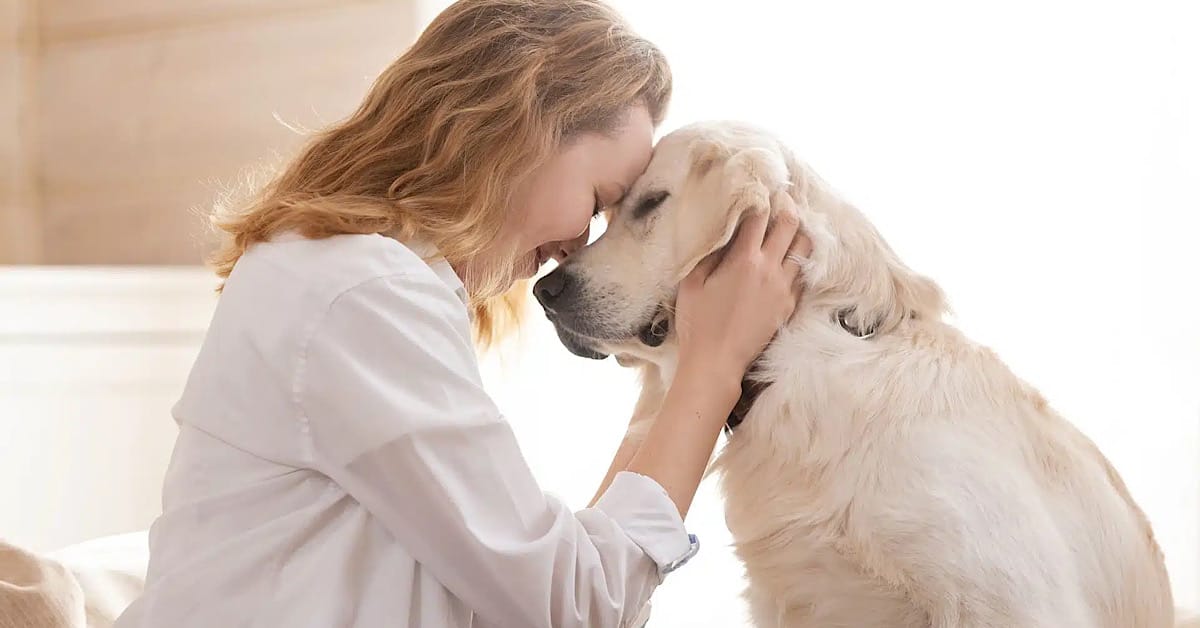
Communicate to your furry loved ones now!
Introduction to Animal Communication
Have you ever wondered whether your pet is truly happy, stressed, anxious, or trying to tell you something?
Do you sometimes wish you could better understand what your pet thinks about you, your family, their daily life, or the environment around them?
Perhaps there are things you wish to tell your beloved pet, but you do not know how to communicate them clearly.
This is where Animal Communication comes in — serving as a bridge between pets and their owners, helping to deepen understanding, strengthen bonds, and improve the emotional well-being of both animals and humans. Curious about what Animal Communication does in a typical session? Here’s a closer look.”
Understanding Your Pet on a Deeper Level
Animals may not communicate using human language, but they are highly emotional, intelligent, and expressive beings. Just like people, animals have:
- Likes and dislikes
- Emotions and feelings
- Unique personalities and habits
- Fears, preferences, and sensitivities
Whether it is a dog, cat, bird, rabbit, hamster, fish, guinea pig, reptile, or terrapin, every animal communicates through behaviour, emotions, body language, and energy.
As pet owners, we are often able to interpret some of these behaviours. However, there are also many situations where misunderstandings occur. Sometimes pets behave in ways that appear “stubborn,” “aggressive,” “fearful,” or “difficult,” when in reality they may be confused, anxious, stressed, overstimulated, or trying to express an unmet need.
Many common pet behavioural problems stem from miscommunication and misunderstanding between pets and owners. When animals feel fearful or stressed, they naturally react through instinctive behaviours such as barking, hiding, growling, scratching, or biting. Over time, repeated misunderstandings can strain the relationship between pets and their families, even though the pet may still deeply love and trust their owner.
Animal Communication aims to improve this understanding by helping owners gain insight into their pet’s emotions, thoughts, concerns, preferences, and experiences.
What is Animal Communication?
Human beings communicate naturally through spoken words, facial expressions, body language, emotions, and non-verbal signals.
Animals communicate differently. Since they do not use spoken language like humans do, they rely heavily on intuitive, emotional, energetic, and telepathic forms of communication. This type of communication is natural to animals and is something they use constantly with both humans and other animals.
In modern society, humans tend to rely primarily on verbal communication, and many people gradually lose touch with their natural intuitive abilities. Animal Communication reconnects us with this quieter form of communication.
As an Animal Communicator, I use intuitive and telepathic communication methods to connect with your pet and understand the messages, emotions, thoughts, and feelings they wish to express.
Animal Communication involves the exchange of:
- Thoughts
- Emotions
- Feelings
- Mental images
- Sensations
- Energy impressions
It is important to understand that Animal Communication is not fortune telling or psychic prediction. Animal communicators do not predict the future or claim supernatural powers. Instead, Animal Communication is best understood as a gentle and intuitive exchange of awareness between humans and animals.
In many ways, the Animal Communicator acts as a bridge or “middle person” between pets and their owners, helping both sides better understand one another.
Benefit Of Animal Communication
Animal Communication sessions may help owners:
- Better understand their pet’s emotions and behaviour
- Strengthen trust and bonding
- Improve communication with their pet
- Identify sources of stress, fear, or anxiety
- Support behavioural and emotional well-being
- Understand changes in behaviour or personality
- Deepen connection with senior, rescued, or anxious pets
- Gain reassurance and emotional comfort
Many pet owners find Animal Communication sessions comforting, insightful, and healing, especially during times of behavioural difficulties, emotional stress, adjustment periods, illness, or major life changes.
Every animal has a voice, feelings, and a story to share — sometimes we simply need to learn how to listen.