
What is Reiki?
What is Reiki?
Reiki (pronounced “Ray-Key”) is a traditional Japanese energy healing practice that focuses on promoting relaxation, emotional balance, and overall well-being through the channelling of universal life force energy.
The word Reiki is made up of two Japanese words:
- Rei — meaning “Universal”
- Ki — meaning “Life Force Energy”
Together, Reiki means “Universal Life Force Energy.”
Reiki is commonly used as a holistic healing method for humans and animals to support emotional, mental, physical, and spiritual wellness. It is a gentle, non-invasive complementary healing practice that aims to restore harmony and balance within the body and mind.
Interesting Facts About Reiki
Reiki is both a healing art and a personal development practice. Reiki healing works through a process known as an “attunement,” where a practitioner is trained to connect with and channel Reiki energy.
In Reiki practice, the practitioner does not use their own personal energy. Instead, they act as a “channel” for universal life force energy, allowing this healing energy to flow naturally to the receiver.
Reiki is believed to work on multiple levels:
- Physical well-being
- Emotional balance
- Mental relaxation
- Spiritual harmony
Many people seek Reiki healing sessions to help support:
- Stress reduction
- Relaxation
- Emotional calmness
- Mental clarity
- Recovery support
- Improved overall wellness
- Emotional healing and balance
Because Reiki encourages deep relaxation, many people and animals feel calmer, more peaceful, and emotionally lighter after sessions.
How Reiki Works
Reiki healing is performed through gentle hand placement, hands held near the body, or distance healing techniques using focused intention and energy work.
The purpose of Reiki is to help restore balance and harmony within the body’s natural energy system. According to Reiki philosophy, emotional stress, fear, trauma, negative experiences, and physical illness may contribute to energetic imbalance.
By encouraging the smooth flow of positive healing energy, Reiki aims to support the body’s natural ability to relax, heal, and restore balance.
Reiki sessions may be conducted:
- In person
- Through gentle hands-on or hands-near healing
- Through distance Reiki healing sessions
Distance Reiki is based on the belief that energy is not limited by physical location and can be directed intentionally across distance.
Reiki is not a religion, belief system, or form of worship.
People from many different religious and spiritual backgrounds — including Buddhism, Christianity, Hinduism, and non-religious backgrounds — practise or receive Reiki healing.
Reiki is generally viewed as a complementary holistic wellness practice that focuses on relaxation, healing, compassion, and balance.
Positive Energy and Emotional Balance
In Reiki philosophy, emotional and energetic balance plays an important role in overall well-being.
Stress, emotional tension, fear, negativity, and emotional overwhelm may contribute to imbalance within the mind and body. Reiki aims to introduce calming, positive healing energy to help restore emotional harmony and inner peace.
Many Reiki practitioners believe that when the body and mind are balanced, individuals may experience:
- Greater emotional stability
- Reduced stress
- Improved relaxation
- Increased sense of well-being
- Better emotional resilience
- Enhanced quality of life
Reiki for Humans and Animals
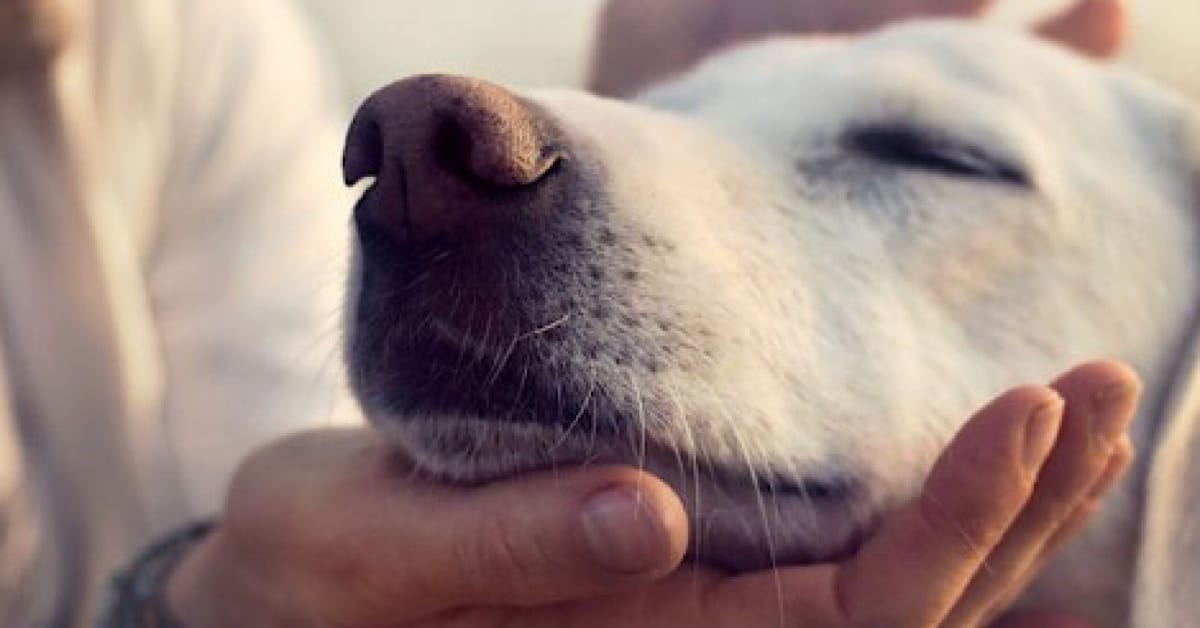
Reiki can be used for both humans and animals. Many pet owners seek Animal Reiki sessions to help support pets experiencing stress, anxiety, illness, emotional trauma, behavioural issues, recovery from surgery, or age-related changes.
Because Reiki is gentle and non-invasive, it is often well accepted by animals, including sensitive, fearful, elderly, or recovering pets.
Whether used for emotional support, relaxation, holistic wellness, or complementary healing, Reiki continues to be widely practised around the world as a calming and supportive healing modality.