
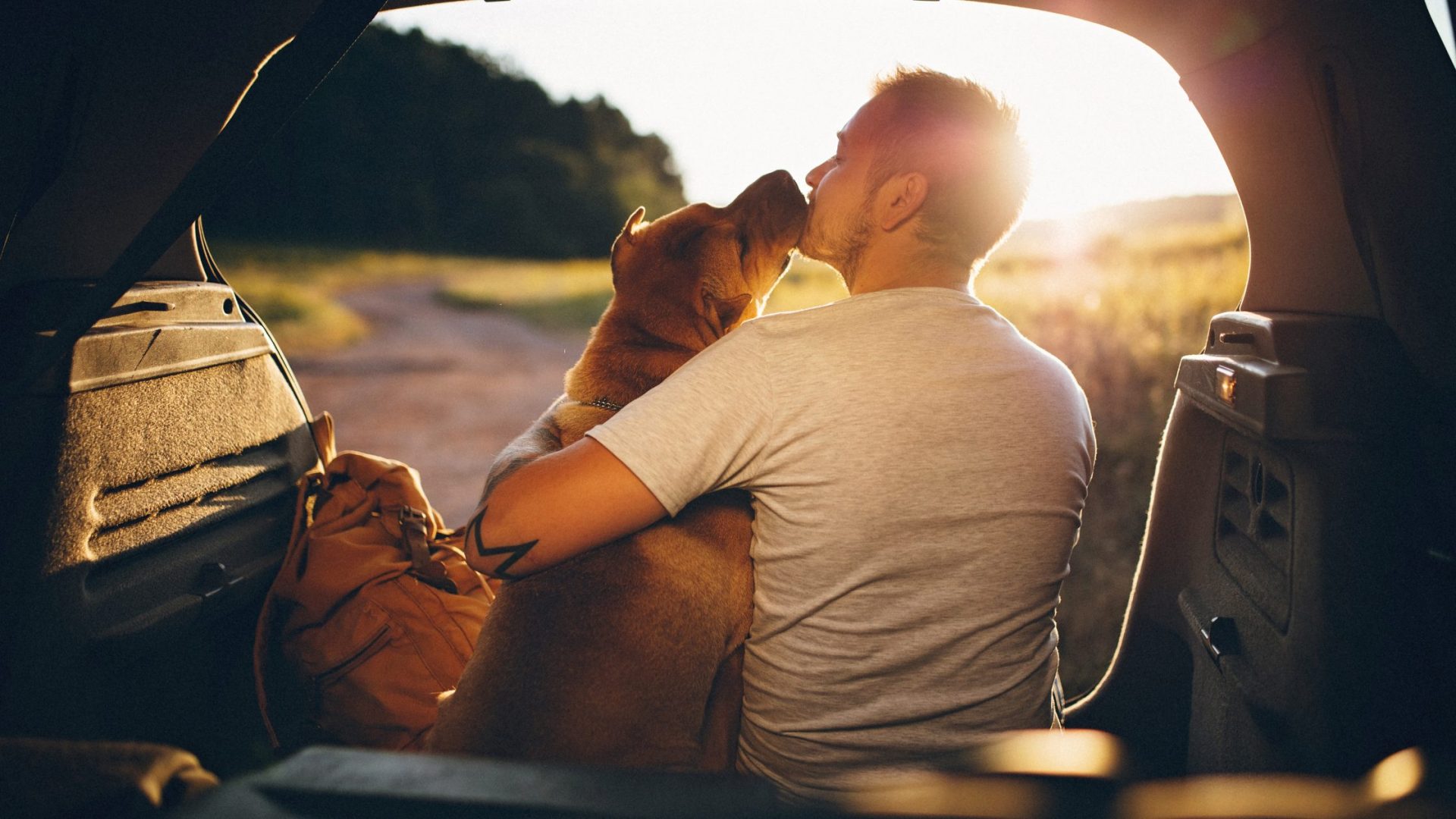
The lifestyle of a well-trained dog is all about peace, balance, and joyful companionship. When your dog understands boundaries and responds to commands, everyday life becomes smoother and more enjoyable. From calm walks to polite greetings, training creates a well-rounded dog who’s confident, safe, and a pleasure to be around. In this post, we’ll explore 10 key benefits that come with this rewarding lifestyle.

Training Myths That May Be Holding You Back
Dog training is full of advice, but not all of it is accurate. Many pet owners struggle with progress because they unknowingly believe in outdated or misleading ideas. These myths can delay results, confuse your dog, and make training more frustrating than it needs to be. Let’s clear up 10 common training myths that may be holding you and your dog back.
1. My Dog Is Too Old to Learn
Age is not a barrier to learning. While puppies may pick up commands faster, adult and senior dogs are fully capable of learning new behaviors with patience and consistency.
2. He Will Grow Out of It
Unwanted behaviors, such as jumping, barking, or biting, rarely disappear on their own. Without guidance, these habits often get worse. Early correction prevents long-term issues.
3. Punishment Teaches Respect
Harsh discipline can lead to fear or aggression, not respect. Positive reinforcement, rewarding good choices, is more effective and strengthens the bond between dog and owner.
4. Training Is Only for Bad Dogs
Even well-behaved pets need training. It builds confidence, encourages mental stimulation, and helps them adapt to new environments, people, or routines.
5. You Only Need to Train Once
Training is not a one-time event, it is an ongoing process. Regular practice helps maintain obedience and prevents your dog from forgetting what they have learned.
6. Treats Are Bribes
Treats are not bribes, they are rewards that help reinforce desired behavior. Once a dog masters a skill, you can gradually reduce the number of treats and rely on praise or play instead.
7. Some Breeds Just Cannot Be Trained
Every breed can be taught basic obedience. While some may be more independent or stubborn, the right methods and motivation make training possible for any dog.
8. If He Does Not Listen, He Is Being Stubborn
Often, a dog’s lack of response is not stubbornness, it is confusion. They may not understand the cue or have not practiced it enough in different environments.
9. I Can Do It All Without Help
While many owners succeed with solo training, professional guidance can correct problems faster and offer personalized strategies for better results.
10. Training Takes Too Much Time
Short sessions, just 5–10 minutes a day, can lead to noticeable improvement. Consistency matters more than length, and small efforts pay off over time.
10 Benefits of a Well-Trained Dog
A well-trained dog does not just follow commands, it enjoys a happier, more balanced life. Training brings structure, safety, and confidence to your dog’s daily routine. Below are 10 key benefits that show how training can positively shape your dog’s lifestyle.
1. Peaceful Walks Without Pulling
Dogs that learn leash manners make strolls enjoyable and relaxed. There is no tugging, lunging, or dragging you down the street. Instead, you can walk with ease, knowing your dog stays close and attentive to your pace.
2. Calm and Confident Greetings
A well-trained dog greets visitors with grace, not chaos. Instead of barking or jumping up, they remain composed and friendly. This creates a positive impression and keeps guests at ease during their visit.
3. Reliable Recall in Public Places
Whether you are at the park or near traffic, a dependable recall command ensures your dog returns instantly when called. It builds trust and gives you peace of mind, knowing your dog stays under control in open areas.
4. Quiet, Relaxed Behavior at Home
Trained dogs understand how to behave indoors. They do not chew furniture or pace restlessly. Instead, they settle in their space, respecting boundaries and contributing to a calmer household.

5. Easier Vet and Grooming Visits
Dogs that are used to being handled respond better during check-ups and grooming. They stand still, stay relaxed, and follow cues, making these appointments quicker, less stressful, and safer for everyone involved.
6. Stronger Bond Between Dog and Owner
Training builds a language of trust between you and your dog. When they understand your cues and respond, it creates a connection based on respect and mutual understanding, deepening your relationship.
7. Confidence in New Environments
Exposed to different sounds, people, and places during training, dogs become adaptable and brave. They walk into new settings without hesitation, reducing nervous behaviors or fear-based reactions.
8. Safe and Controlled Interactions With Other Dogs
With good social manners, trained dogs avoid scuffles or overexcitement during dog park visits. They understand how to greet calmly, back off when needed, and play without getting aggressive.
9. Better Manners Around Food and Furniture
No more sneaking snacks or leaping onto couches. Trained dogs respect household rules, whether it is waiting patiently during meals or staying off forbidden spots.
10. Overall Healthier, Happier Lifestyle
Training keeps dogs mentally sharp and physically active. They enjoy routines, learn boundaries, and avoid boredom-related issues like chewing or excessive barking, leading to a well-balanced life.
Tools That Support a Well-Trained Lifestyle
The lifestyle of a well-trained dog is not achieved through commands alone. It is supported by the right tools that make learning easier, clearer, and more consistent. Below are 10 essential tools that help guide your dog’s progress and maintain good behavior in everyday situations.
1. Flat Collar or Martingale Collar
A standard flat collar is ideal for holding identification tags and attaching a leash for calm dogs. For dogs who tend to slip out or pull, a martingale collar tightens slightly for better control without choking. It teaches gentle restraint and leash manners.
2. Standard Leash (4–6 feet)
A fixed-length leash gives you close control and is excellent for teaching loose-leash walking. Unlike retractable leashes, it prevents tangling and offers better safety in busy areas. It is a simple but powerful tool for reinforcing calm walking.
3. Clicker (for Clicker Training)
This small device makes a clicking sound when pressed and marks correct behavior at the exact moment it happens. Paired with treats, it helps your dog learn faster by creating a clear association between action and reward.
4. Treat Pouch
Carrying treats in your pocket can get messy. A treat pouch keeps rewards clean, accessible, and easy to grab quickly during walks or training sessions. It encourages immediate reinforcement and a smoother training flow.
5. Crate or Kennel
A crate is not just for housebreaking, it is a secure space that helps dogs learn boundaries, rest properly, and self-regulate. Used correctly, it creates a safe retreat and reduces anxiety during downtime or travel.
6. Long-Line Training Leash
This extra-long leash allows dogs to explore while still giving you control during recall training in open spaces. It is perfect for practicing distance commands or safe freedom in unfenced areas.
7. Puzzle Toys and Enrichment Games
Mental stimulation is just as important as physical exercise. Toys that challenge your dog to work for food or solve a problem reduce boredom, build focus, and strengthen patience—core traits of a well-trained dog.
8. Training Whistle
Whistles are useful for recall and distance commands, especially in noisy environments or open fields. The sound is sharp, consistent, and easy for dogs to recognize. With practice, it becomes a powerful signal tool.
9. Boundary Gates
Indoor gates teach dogs where they are allowed to go. Whether it is keeping them out of the kitchen or setting up a quiet training space, gates help enforce house rules without the need for constant supervision.
10. Target Stick
This simple stick with a visual cue at the end helps guide your dog’s movement during training. It is useful for teaching complex tricks, shaping body positioning, or helping reactive dogs stay focused.
Common Mistakes Owners Make While Training
Training your dog can be a rewarding experience, but many well-meaning pet owners unknowingly make errors that slow progress or create confusion. Understanding what not to do is just as important as learning proper techniques.
Here are 7 common training mistakes that can hold your dog back and how to avoid them.

1. Inconsistent Commands
Using different words for the same behavior confuses your dog. For example, saying “down,” “lie down,” and “go down” for one action can make learning difficult. Stick to one clear cue for each behavior.
2. Lack of Patience
Dogs do not learn everything overnight. Getting frustrated or expecting instant results can damage trust. Patience helps build a stronger bond and leads to better long-term outcomes.
3. Skipping Basic Training
Jumping straight into advanced tricks without covering the basics first (like sit, stay, and recall) sets your dog up to fail. Solid foundations make everything else easier.
4. Rewarding the Wrong Behavior
Sometimes owners give treats or attention when the dog is misbehaving, like comforting them while they bark. This unintentionally encourages the very behavior you want to stop.
5. Inconsistent Rules at Home
If one family member allows jumping and another discourages it, the dog will not know what is expected. Everyone in the household should follow the same training rules.
6. Repeating Commands Too Often
Saying “sit, sit, sit” teaches your dog that they don’t need to respond the first time. Give the command once, then follow up with a consequence or guidance.
7. Using Punishment Instead of Teaching
Yelling or using force can create fear, not obedience. Focus on showing your dog what to do rather than just correcting mistakes.
Conclusion:
A well-guided dog brings ease, safety, and harmony to daily life. With consistent teaching, your companion becomes more adaptable, respectful, and pleasant to live with. These changes not only improve behavior but also enhance the overall relationship. Investing time in proper instruction truly leads to a smoother journey for both you and your furry friend.
Ready to Transform Your Dog’s Behavior?
Join our structured training program and help your dog unlock a calm, confident lifestyle. Whether you are starting with a puppy or working with an adult dog, we offer personalized sessions designed to create lasting results.
👉 Book your first class today and experience the lifestyle of a well-trained dog for yourself.
FAQs
1. At what age should I start training my dog?
Training can begin as early as 8 weeks old. The sooner you start, the easier it is to build good habits that last a lifetime.
2. Can older dogs still be trained?
Absolutely. With consistency and patience, adult dogs can learn new skills and improve their behavior at any stage of life.
3. How long does it take to see results?
Some dogs show progress within a few sessions, while others take more time. Consistent practice at home speeds up the process.
4. What kind of training do you offer?
We offer basic obedience, advanced behavior modification classes, and one-on-one coaching based on your dog’s unique needs.
5. Is professional training essential?
While some owners succeed with DIY training, professional guidance helps address deeper issues and speeds up results through expert techniques.