
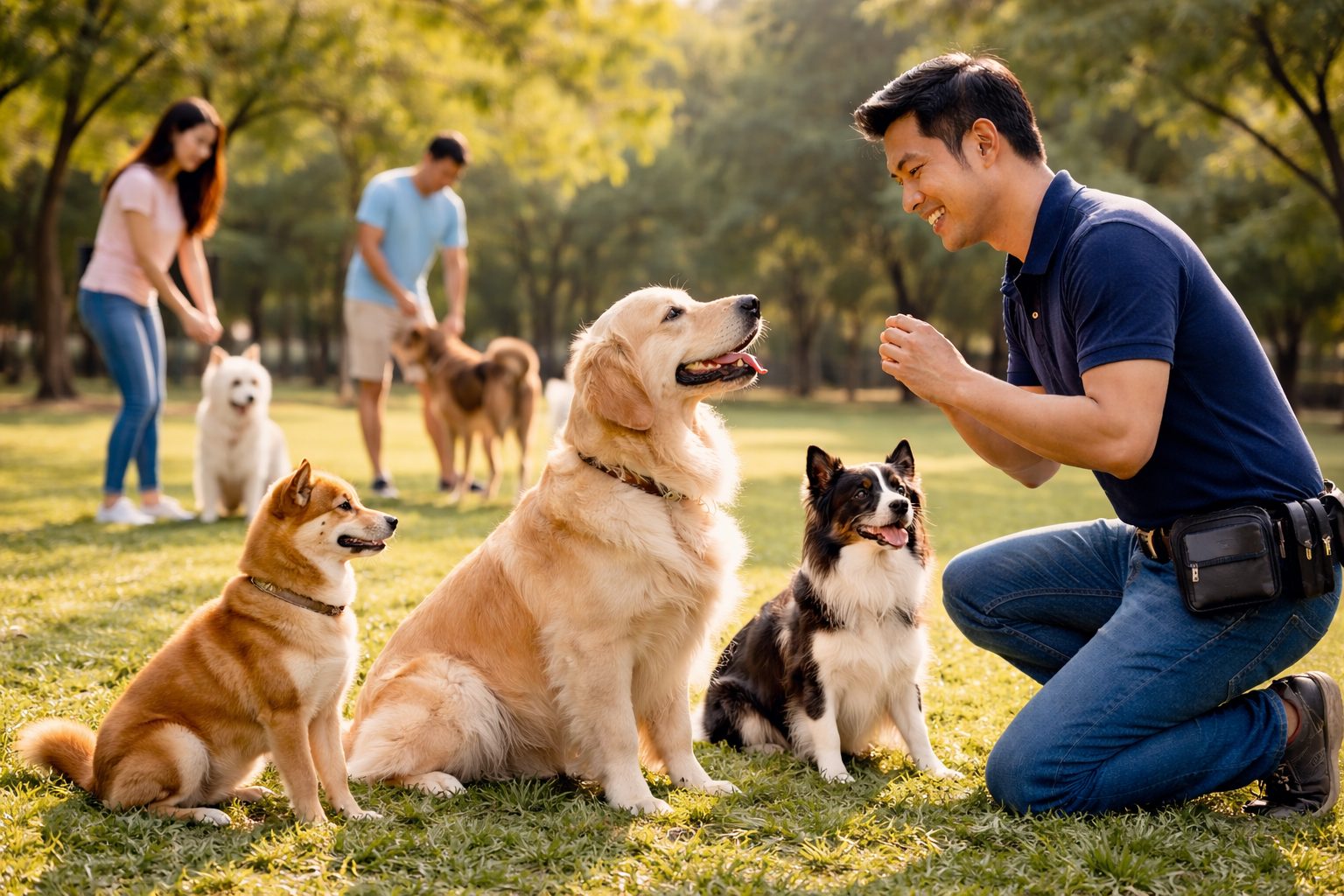
If you have ever searched for dog training Singapore late at night because your dog simply will not listen, you are not alone. Many dog owners reach a point where frustration quietly builds up. The leash pulling continues. The barking does not stop. Commands feel optional to the dog. At that stage, people start asking real questions. How long will training take? When will I actually see results? Is professional help even worth it?
Indeed, professional dog training is effective, but it requires time and consistency rather than instant repairs. Dogs are not machines. They possess habits, feelings, fears, and previous encounters. Training is not about restricting your dog. It is instilling communication and promoting good daily conduct. When you realise what influences the timeline, the procedure becomes less worrying and much more attainable.
So, How Long Does It Really Take?
A professional dog trainer usually can make a dog show some minor improvements within the first one to three weeks of training. The changes are not very obvious but are significant. Your dog may listen a little faster. Pull less on the leash. Pause before reacting. These early signs matter more than people realise.
Clear and more reliable results usually appear around the six to eight week mark. This is when commands start holding even with distractions. The behaviour of a dog becomes easier to predict. In the case of long-term habits, which are the ones that you feel are normal and strong, it usually takes three to six months for them to establish completely.
This timeline is applicable whether you work with a personal trainer or a dog training school. What truly affects speed is not the format, but how consistently training is followed at home.
What “Results” Actually Look Like
Many owners expect dramatic change early on, when they choose a dog training Singapore. In reality, progress shows up quietly at first. Dogs rarely flip overnight. Instead, improvement builds step by step.
Early signs of progress often include:
- Better eye contact during walks
- Slight hesitation before unwanted behaviour
- Faster recovery after excitement
- Reduced intensity in reactions
- Less repetition is needed for commands
These changes mean your dog is learning to think before acting. That mental pause is a big deal. Once it appears, training usually accelerates.
Age Makes a Difference, Not a Limitation
Puppies generally learn faster. They have fewer habits and are more open to new routines. Basic skills like sit, recall, and leash walking can improve quickly when training starts early. Puppies often show visible progress within days or weeks.
Adult dogs take longer, but they are absolutely trainable. The difference is that adult dogs already have patterns. Training an adult dog means replacing old habits with new ones. That takes patience and repetition, not force.
Behaviour Issues Change the Timeline
Basic obedience training is usually faster than behaviour correction. Teaching a dog what to do is easier than teaching a dog how to feel differently.
Behaviour issues often involve emotion. Common ones include:
- Fear or anxiety
- Reactivity toward other dogs or people
- Aggression
- Overexcitement or impulse control issues
These behaviours are driven by stress, fear, or overstimulation. A proper dog obedience training must address the root cause, not just suppress the behaviour. That takes time. Anyone promising instant fixes for emotional behaviour problems is not being honest.
The Owner’s Role Is Bigger Than Most Expect
Professional trainers do guide the process, but real progress happens at home. Dogs learn through daily repetition. If rules change every day, dogs get confused. The dog’s learning process is accompanied by the owner’s learning process, which is the bond that brings triumph.
If only trained once a week, the process of learning is considerably delayed. The demand for consistency is greater than the demand for perfection; hence, a good dog training school places the emphasis on educating owners.
Thus, results are quicker and more lasting when owners are trained in timing, tone, and reward placement.
Training Frequency Matters More Than Duration
Long training sessions are not always better. Dogs acquire knowledge in small and intense intervals. Five to ten minutes daily at different times is more productive than one whole session a week.
Short sessions help dogs stay engaged. They reduce frustration. They also make training easier to maintain long-term. When training feels manageable, consistency improves. And consistency drives results.
Professional programmes usually combine structured sessions with clear home practice. That daily practice is where behaviours turn into habits.
Group Training vs Private Training
Group training is great for social exposure and working around distractions. It usually progresses more slowly because attention is shared. Private training moves faster because it focuses on one dog and specific challenges.
Many owners use both. Private sessions help build clarity and foundation. Group sessions help prove behaviour in real-world settings. A responsible training school will recommend what suits your dog, not what sells faster.
When Training Feels Slow but Is Actually Working
Many people quit too early because progress does not look dramatic. But training often works beneath the surface first. Your dog may still react, but less intensely. They may still pull, but recover quicker. They may still get distracted, but refocus faster.
These are signs that learning is happening. Behaviour change is rarely linear. Plateaus are normal. Breakthroughs often come after consistency settles in.
Why Professional Guidance Makes a Difference
Training without guidance often leads to mixed signals. Owners may reward behaviour at the wrong moment. Corrections may come too late. Timing errors can slow progress without the owner realising it.
Professional trainers spot these issues early. They adjust technique before mistakes turn into habits. This is where working with experienced teams like Perfect K9 becomes valuable.
Our method emphasises transparent communication, achievable expectations, and progressive training that lasts. We support the owners in recognising that they can go on training with confidence, rather than depending on continual monitoring.
Setting Realistic Expectations From the Start
Training works best when expectations are realistic. Dogs are individuals. Some move faster. Some take longer. Comparison only creates frustration.
Success comes from patience and consistency, not pressure. When owners focus on progress instead of speed, training feels more rewarding for both dog and human.
Conclusion
When done correctly, professional dog obedience training is worth the time. The results are not immediate, but they are real and permanent. The majority of dogs express early changes within a few weeks and concrete improvement within a few months. Constant success is a result of patience, consistency, and clear direction.
In case you are ready to work hard, professional dog obedience training is not just about teaching commands. It creates a knowledge of understanding, trust, and a better life every day with your dog. And that is something no quick fix can offer.