
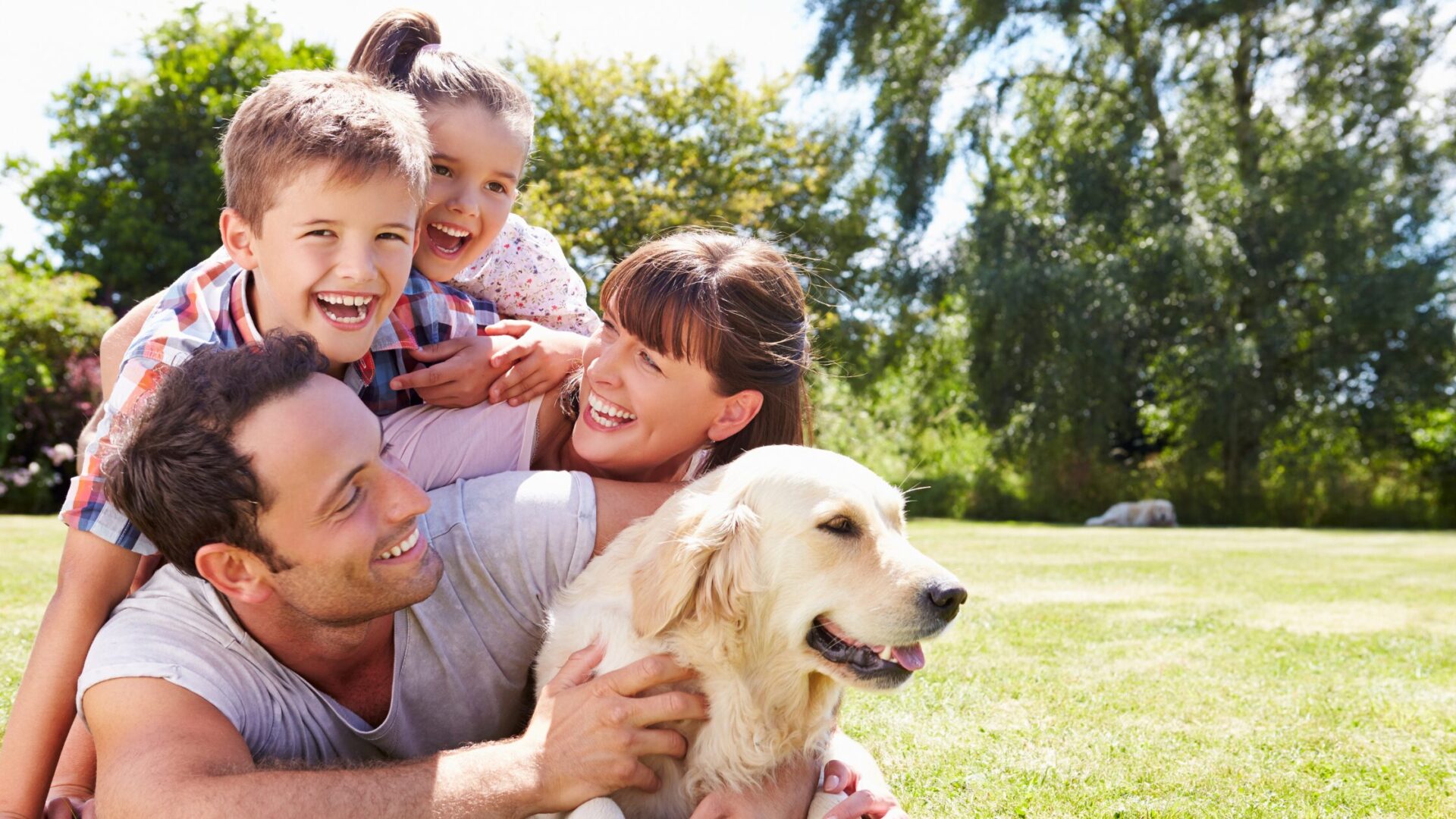
Pet culture in Singapore is changing the way people live with their animals at home. Pets are no longer just animals that live in the house. They have become part of the family. Across Singapore, more people are opening their homes to dogs, cats, and other companion animals. This growing love for pets is not only changing lifestyles but also reshaping how homes are designed, organized, and managed.
In this article, we will explore all facts and ways in which pet culture in Singapore is changing modern homes.
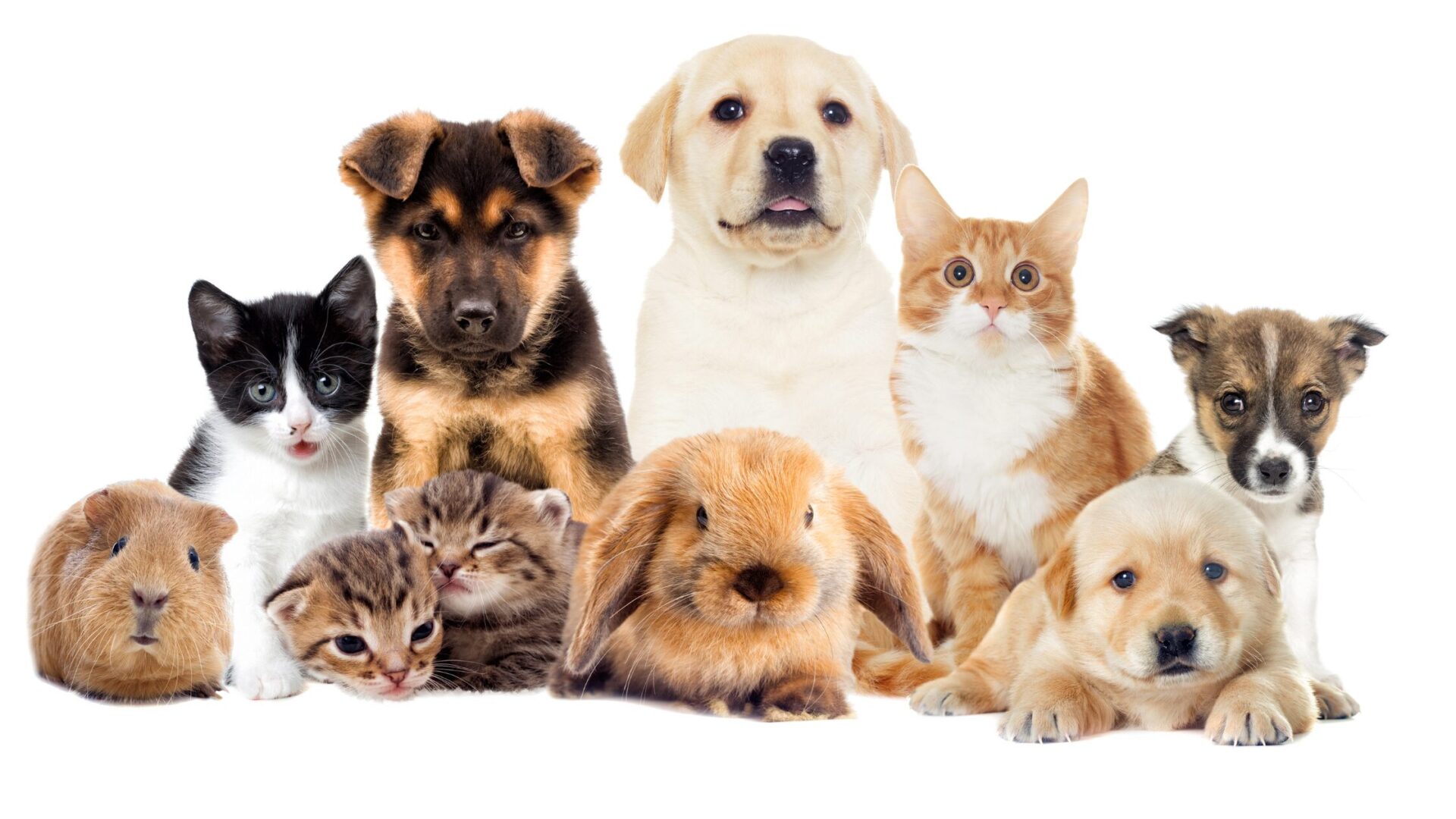
The Rise of Pet Parenthood
Pet parenthood in Singapore is growing as more people see pets as loving companions and important family members. Many households are changing their lifestyles, spending habits, and home environments to provide better care for their animals. This shift is happening because of several social, emotional, and practical reasons.
Here are 10 reasons why pet parenthood is rising:
- Smaller Family Sizes
Many families today have fewer children, which creates more time and emotional space for pets. Animals often become companions that bring warmth and connection to the household. - Later Marriages and Single Living
People are marrying later or choosing to live alone for longer periods. Pets provide comfort, routine, and emotional support, helping reduce feelings of loneliness. - Mental Health Awareness
There is growing awareness that pets can reduce stress, anxiety, and depression. Spending time with animals can improve mood and create a sense of calm after a busy day. - Influence of Social Media
Social media platforms show positive and happy moments with pets, encouraging more people to adopt animals. Seeing others treat pets like family inspires similar behavior. - Pet-Friendly Housing Policies
Changes in housing rules, including more acceptance of pets in apartments, make it easier for residents to keep animals. This increases confidence among people considering pet ownership. - Higher Spending Power
As incomes rise, more people can afford pet food, grooming, healthcare, and accessories. Financial stability allows owners to invest in better care for their animals. - Adoption and Animal Welfare Campaigns
Awareness campaigns encourage people to adopt rescued animals instead of buying them. These programs highlight the emotional rewards of giving a pet a safe home. - Busy Urban Lifestyles
Fast-paced city life can feel stressful and demanding. Pets provide emotional comfort, relaxation, and companionship when people return home from work. - Smart Pet Technology
Modern devices like automatic feeders, pet cameras, and health trackers make pet care easier for busy owners. Technology helps people monitor and care for pets even when they are away. - Growing Awareness of Responsible Ownership
Education about training, healthcare, and proper pet care helps people feel more prepared to adopt pets. Responsible ownership creates stronger, healthier relationships between pets and families.
Apartment Living and Pet Choices in Singapore
Apartment living in Singapore greatly influences the types of pets people choose and how they care for them. Limited space, building rules, and shared living areas mean homeowners must think carefully about the size, activity level, and needs of their pets.
Popular Small Breeds
Because apartments are compact, small dog breeds like Pomeranians, Shih Tzus, and French Bulldogs are very popular. These dogs adapt well to indoor living and require less space to move around. Similarly, cats are often preferred because they are independent and can comfortably live in smaller areas.
Cats vs. Dogs in Compact Spaces
Cats are easier to keep in tight apartments because they don’t need outdoor walks and can use litter boxes indoors. Dogs, on the other hand, need regular walks and exercise outside, which requires planning for schedules and nearby parks. Apartment owners often choose pets based on how much space they can provide and how much time they can spend exercising them.
Importance of Exercise and Enrichment
Even in small spaces, pets need mental stimulation, physical activity, and enrichment. Owners provide toys, scratching posts, climbing areas, and interactive games to keep pets happy and healthy. Regular outdoor walks for dogs and play sessions for cats help prevent boredom, anxiety, and destructive behavior.
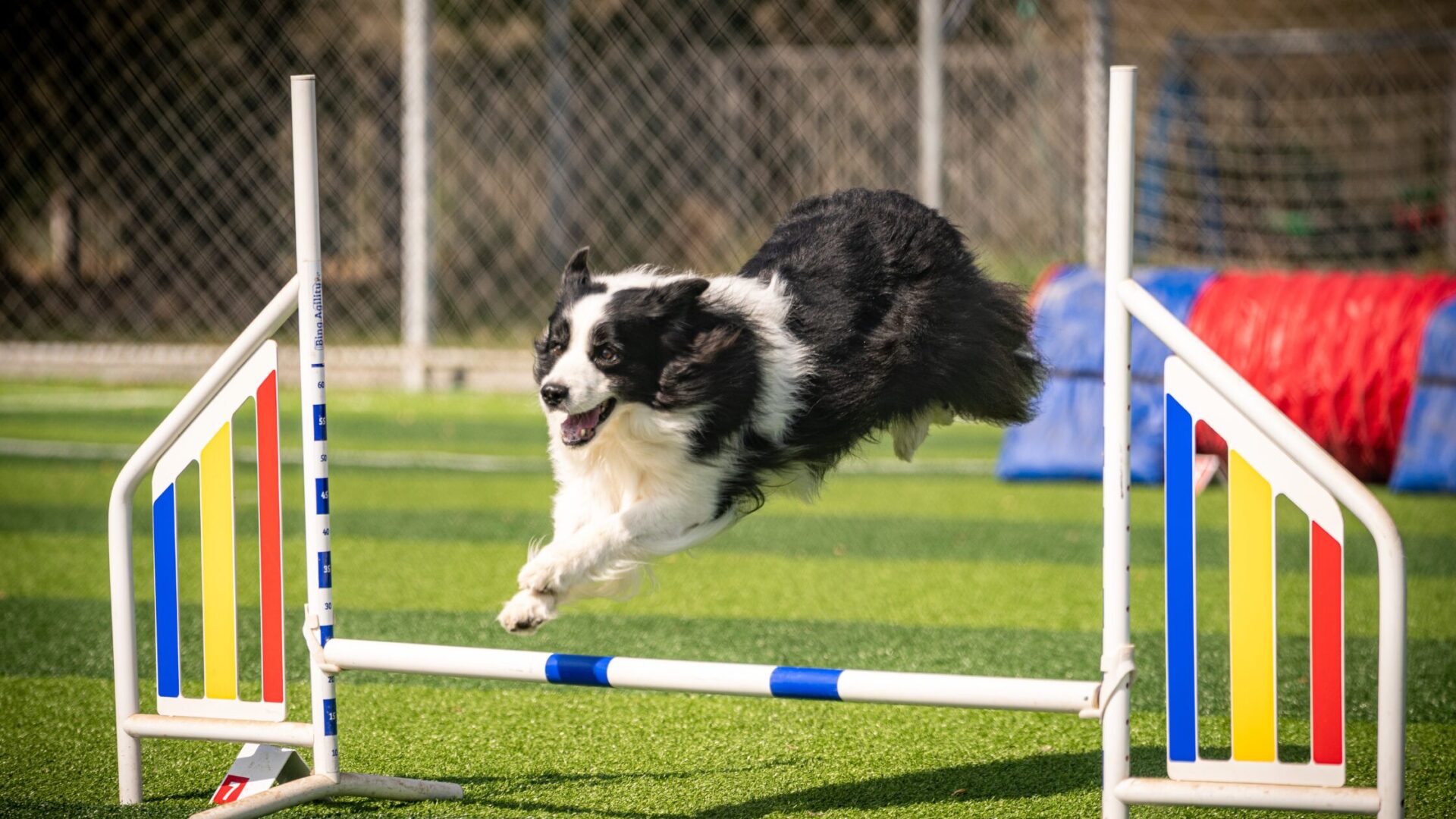
Pets Reshaping Daily Routines in Singapore
In Singapore, pet ownership is gradually shaping how residents organize their daily lives. From adjusting work schedules to planning social activities and financial expenditures, pets have become an integral part of modern routines. Below are ten ways pets are reshaping the daily lives of Singaporeans.
1. Earlier Morning Schedules
For many pet owners in Singapore, mornings start earlier than usual to accommodate their pets’ needs. Dog owners, in particular, prioritize morning walks to ensure their pets get adequate exercise and a bathroom break before the heat of the day sets in.
2. Evening Park Rituals
As workdays wind down, pet owners in Singapore often head to the park for a post-work dog walk, sometimes making it a group activity. Popular spaces like East Coast Park, Bishan-Ang Mo Kio Park, and Labrador Nature Reserve have become go-to spots for both relaxation and exercise.
3. Fixed Feeding and Care Times
Pet care in Singapore is highly regimented, especially for pets with specific dietary needs or health concerns. Owners schedule feeding times meticulously to ensure their pets’ routines align with their own.
4. Housing Choices
In a city where space is limited and regulations are stringent, housing choices are often made with pets in mind. The Housing & Development Board has specific pet ownership guidelines that limit the type and size of pets allowed in public housing (HDB). This can influence prospective tenants’ decisions, as they may choose private condominiums or landed properties over HDB flats to accommodate their pets.
5. Growth of Pet Services
With busy work schedules, many Singaporean pet owners rely on external services for pet care. Platforms like PetBacker offer a wide array of services such as dog-walking, grooming, and even boarding when owners travel.
6. Social Life at Pet-Friendly Cafés
The rise of pet-friendly cafés, restaurants, and even bars has added a new social dimension to pet ownership.
7. Increased Physical Activity
Dog ownership in Singapore has become a key motivator for physical activity. Despite the country’s hot and humid weather, owners make time for daily walks or runs, encouraging a healthy lifestyle.
8. Stronger Neighborhood Connections
Pet ownership has also fostered stronger ties within neighborhoods, especially in areas like HDB estates, where residents often gather during daily walks. Pet owners frequently cross paths with familiar faces and exchange pet care tips or just strike up casual conversations.
9. Budgeting for Pet Expenses
Owning a pet in Singapore comes with its own set of financial commitments, which has led to pet ownership influencing budgeting habits. From regular veterinary checkups to premium pet food and grooming services, these costs are woven into pet owners’ financial planning.
10. Travel and Leisure Planning
In a city-state that thrives on staycations and weekend getaways, pet-friendly accommodations have become a major consideration when planning vacations.
Explore Pet Culture in Singapore
Pet culture in Singapore is growing fast; this shift is influencing how homes are designed, organized, and maintained. Homeowners are creating safer spaces, using smart technology, and choosing furniture and flooring that suits pets. Let’s explore 20 ways pet culture is transforming Singaporean homes.
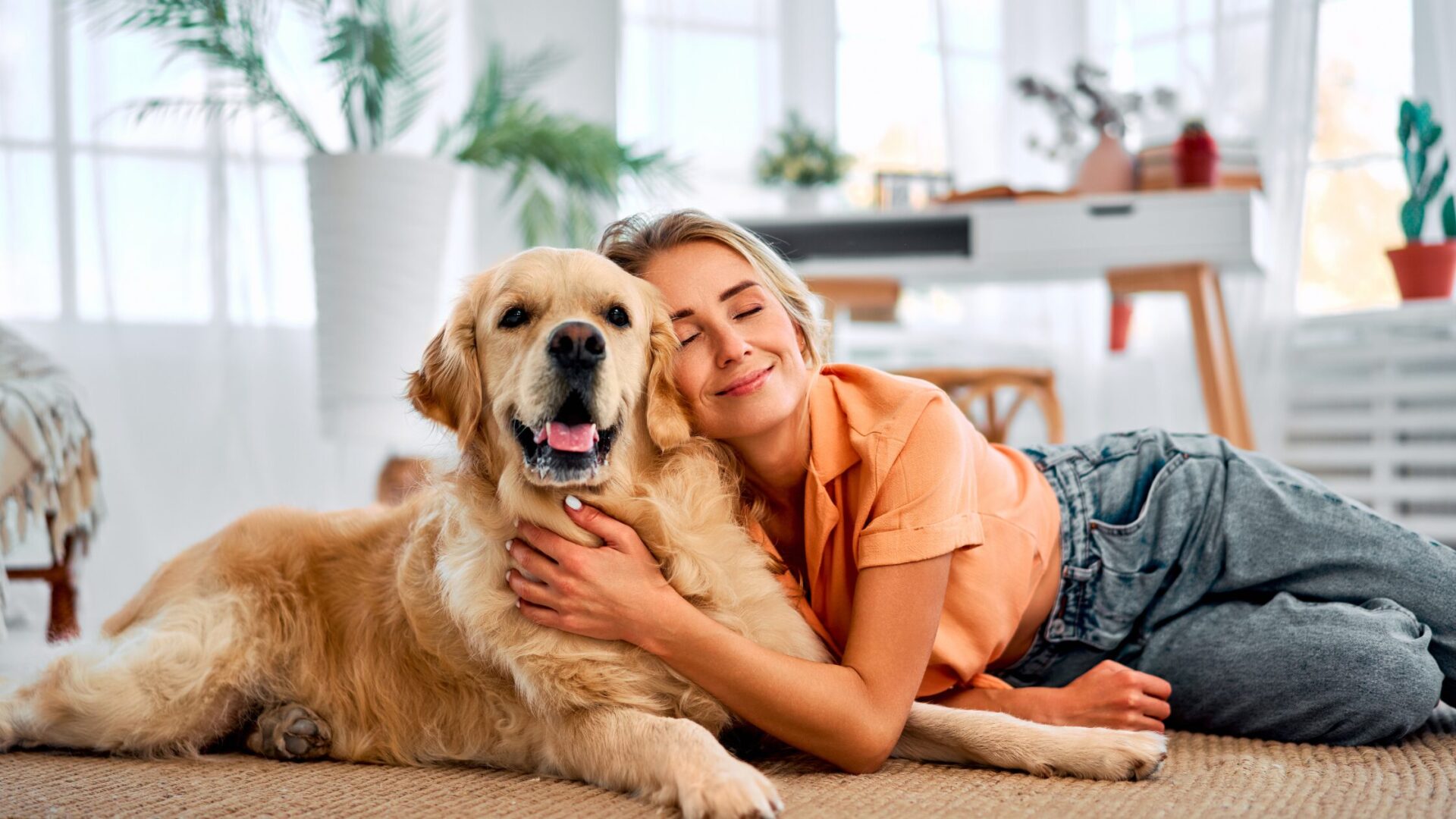
1. Pet Sleeping Areas
Many homeowners provide dedicated beds, crates, or cozy corners for pets. This helps pets feel secure and gives them a private space to rest. Some even create mini “pet zones” in living rooms or bedrooms.
2. Pet-Friendly Flooring
Scratch-resistant tiles, laminate, and vinyl floors are now popular. They are durable, easy to clean, and protect surfaces from claws and spills. Non-slip flooring also prevents injuries from running or jumping pets.
3. Washable Furniture
Sofas, cushions, and rugs are chosen for durability and easy cleaning. Washable fabrics help manage fur, dirt, and spills while keeping the home stylish and comfortable.
4. Safety Gates & Window Mesh
Safety is essential, especially in apartments. Gates block off dangerous areas, and window or balcony mesh prevents falls. These simple measures protect pets and give owners peace of mind.
5. Feeding Stations
Organized feeding areas with bowls, storage, and sometimes smart feeders are becoming standard. Automated feeders ensure pets eat on schedule, which is ideal for busy owners.
6. Indoor Play Zones
Small apartments now have play corners with toys, tunnels, and climbing structures. These spaces keep pets active, reduce boredom, and prevent destructive behaviors.
7. Smart Pet Tech
Technology like pet cameras, automatic feeders, GPS trackers, and health monitors allows owners to care for pets even when away. It helps track activity, monitor health, and provide timely feeding.
8. Odor Control & Air Purifiers
Air purifiers, deodorizers, and proper litter management keep homes fresh. This improves comfort for both humans and pets, especially in apartments where airflow may be limited.
9. Open Spaces Indoors
Furniture is arranged to create open paths for pets to move freely. This reduces accidents, allows indoor exercise, and keeps pets mentally and physically healthy.
10. Pet Storage Solutions
Dedicated cabinets or shelves for food, toys, grooming tools, and medicines help maintain organization. Easy access to supplies ensures smoother daily care.
11. Smaller Dog Breeds
Limited space and building rules make small breeds more popular. Dogs like Shih Tzus, Pomeranians, and French Bulldogs adapt well to apartment living and require less space for activity.
12. Flooring for Pets
Slippery surfaces are dangerous for pets, especially older ones. Mats and textured tiles reduce falls and protect pets’ joints and muscles.
13. Save Balconies
Balconies or outdoor corners are adapted with railings, mats, or small enclosures. Pets can enjoy fresh air safely without risk of accidents.
14. Grooming & Cleaning Supplies
Homes now include vacuums for pet hair, grooming kits, and cleaning tools. Regular grooming and cleaning prevent odors, maintain hygiene, and keep pets healthy.
15. Stylish Pet Furniture
Pet furniture is designed to match home interiors. Beds, feeding stations, and play equipment combine functionality with aesthetics, blending seamlessly with modern décor.
16. Protective Homes
Electrical cords, fragile items, and toxic materials are kept out of reach. Pet-proofing protects animals and ensures a safe living environment for both pets and humans.
17. Daily Routine Planning
Feeding, walking, grooming, and playtime are incorporated into daily schedules. Owners adjust their routines to meet pets’ physical and emotional needs.
18. Sustainable Pet Products
Sustainable choices like biodegradable litter, natural toys, and grooming items are growing in popularity. Pet owners are becoming more conscious of environmental impact.
19. Clean Surfaces
Homes are designed with tiles, laminate, and other materials that are easy to wipe or mop. Quick cleaning reduces allergens, keeps homes hygienic, and manages accidents efficiently.
20. Pets as Family Members
Pets now influence major home decisions, including moving, redesigning, and lifestyle choices. Owners consider pets’ comfort and safety, making them true members of the family.
Conclusion
In conclusion, pet culture in Singapore is transforming modern homes in many positive ways. As pets become valued family members, people are creating safer spaces, choosing practical designs, and planning their routines around their animals’ needs.