
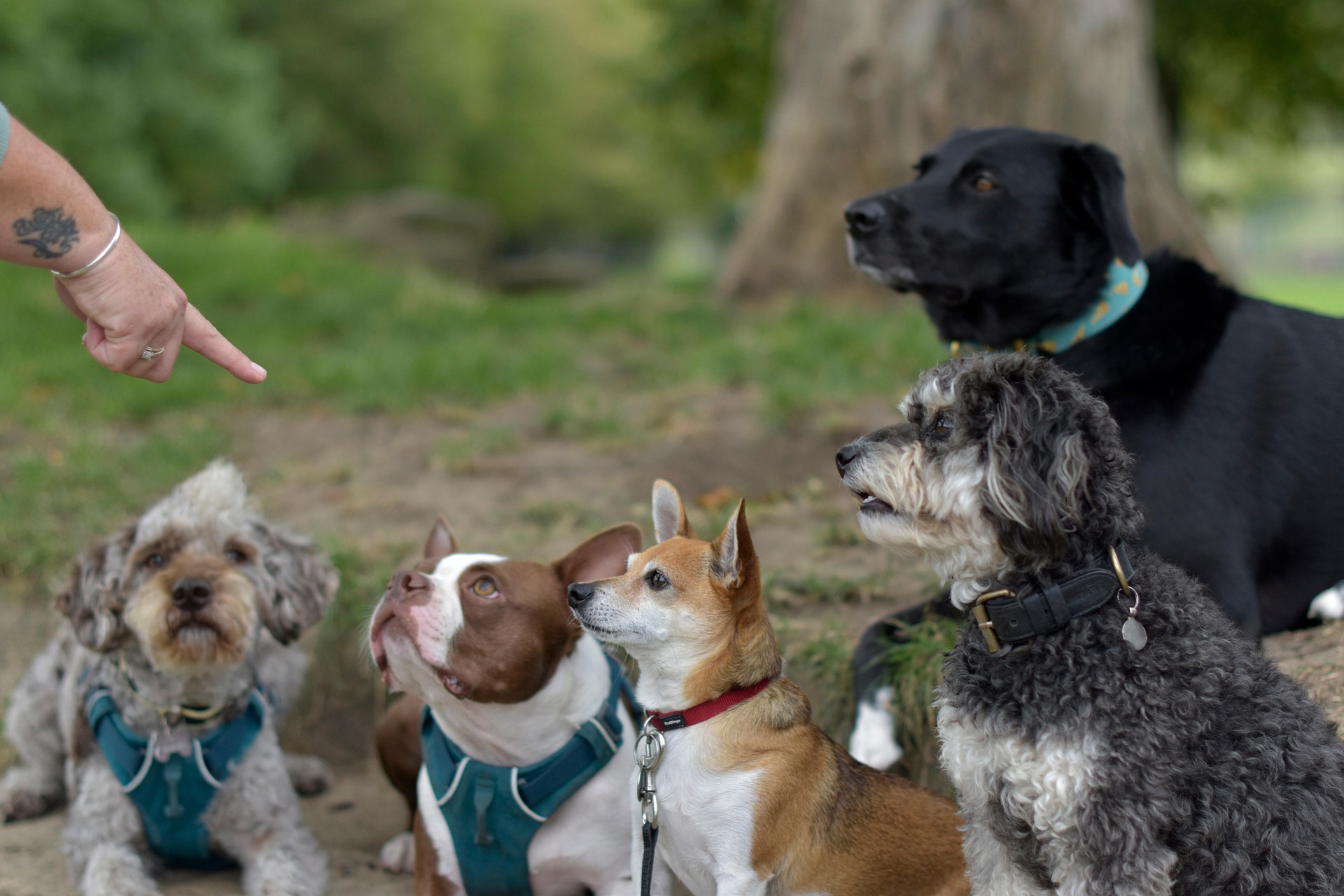
Group vs. private dog training is one of the most important decisions dog owners must make. Training is not just about teaching commands. It helps your dog become calm, confident, and well-behaved in daily life.
Selecting the right type of training can feel confusing. Both methods are effective, but they work in different ways.
In this detailed guide, we will explore Group vs. Private Dog Training in depth. You will learn the benefits, costs, and best situations for each method so you can make the right decision for your pet.
Advantages of Private Dog Training
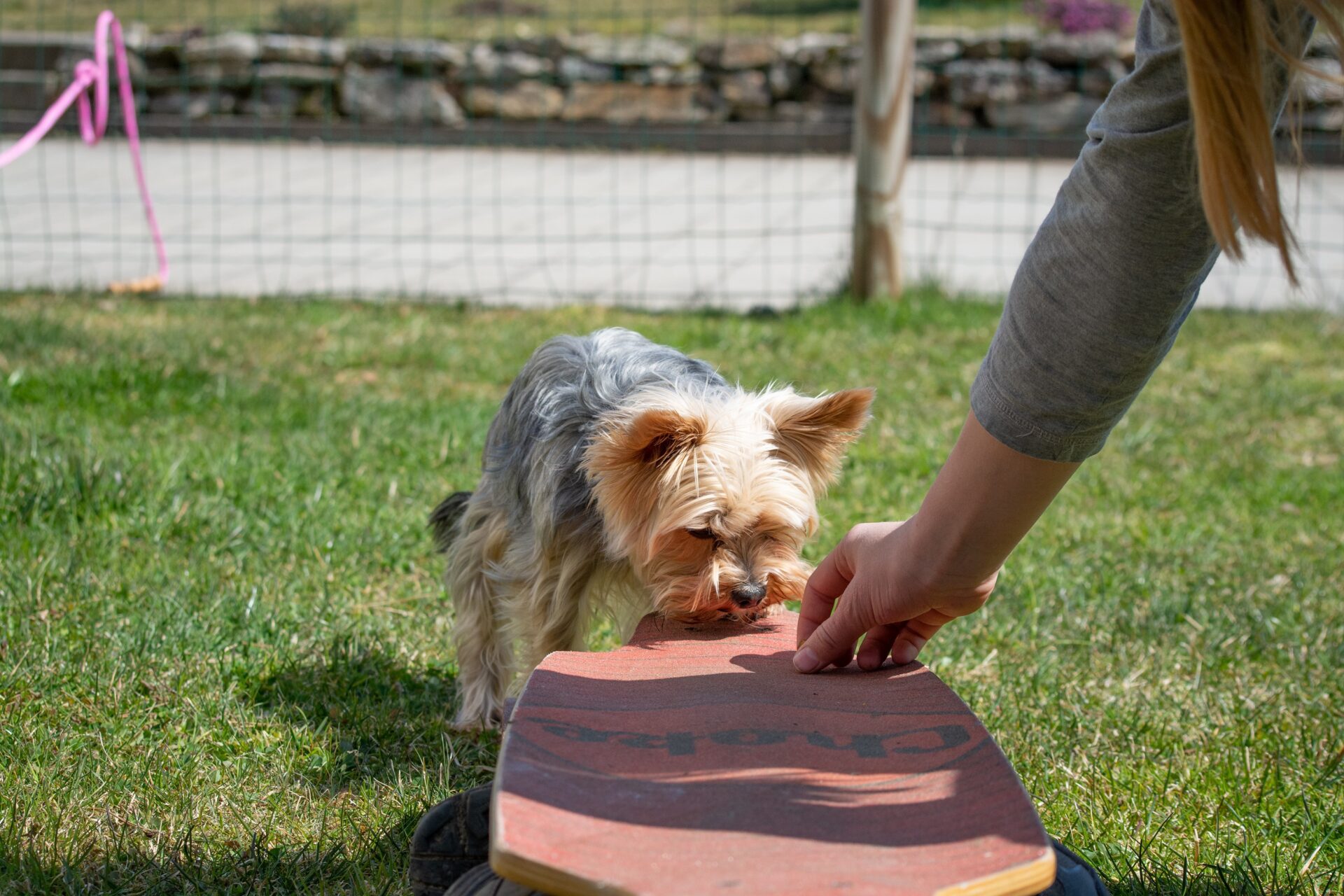
Private dog training is a highly effective way to teach your dog important skills through personalized attention and customized techniques. Unlike group classes, private training focuses only on your dog’s behavior, learning speed, and specific needs.
Here are the benefits of private dog training:
1. Personalized Training Plans
One of the biggest advantages of private dog training is the ability to create a customized plan. Every dog is different, and private trainers design sessions based on your dog’s personality, age, and behavior. Whether your dog is shy, energetic, or stubborn, the training is tailored to suit their needs, leading to more effective learning.
2. Flexible Scheduling
Private training allows you to choose a time that fits your daily routine. This is especially helpful for busy owners who cannot attend fixed group classes. You can schedule sessions in the morning, evening, or weekends, ensuring consistency without disrupting your schedule.
3. Focus on Specific Behavioral Issues
If your dog has problems like aggression, excessive barking, or anxiety, private training is the best option. The trainer can focus only on these issues and use targeted techniques to correct them.
4. One-on-One Attention
In private sessions, your dog receives full attention from the trainer. This means:
- Immediate feedback
- Faster correction of mistakes
- Better understanding of commands
This focused learning environment helps your dog improve quickly.
5. Training in a Familiar Environment
Many private trainers offer sessions at your home. Training in a familiar environment helps your dog feel relaxed and comfortable. It also allows the trainer to address real-life issues like jumping on guests or barking at the door.
6. Faster Results
Because the training is personalized and distraction-free, dogs often learn faster in private sessions. The trainer can adjust techniques instantly based on your dog’s response, which speeds up progress.
7. Stronger Bond Between Owner and Dog
Private training not only teaches your dog but also guides you as an owner. You learn how to communicate clearly, understand your dog’s behavior, and respond correctly.
Benefits of Group Dog Training
Group dog training is an effective and enjoyable way to teach your dog essential skills while allowing them to interact with other dogs and people.
Here are some benefits of group training.
1. Improves Social Skills
Group training gives your dog regular exposure to other dogs and people in a safe and controlled setting. This helps your dog learn how to behave politely, such as not jumping, barking excessively, or reacting aggressively.
2. Builds Confidence
Dogs that are shy or nervous often benefit greatly from group classes. Being around other dogs and new environments helps them slowly overcome fear.
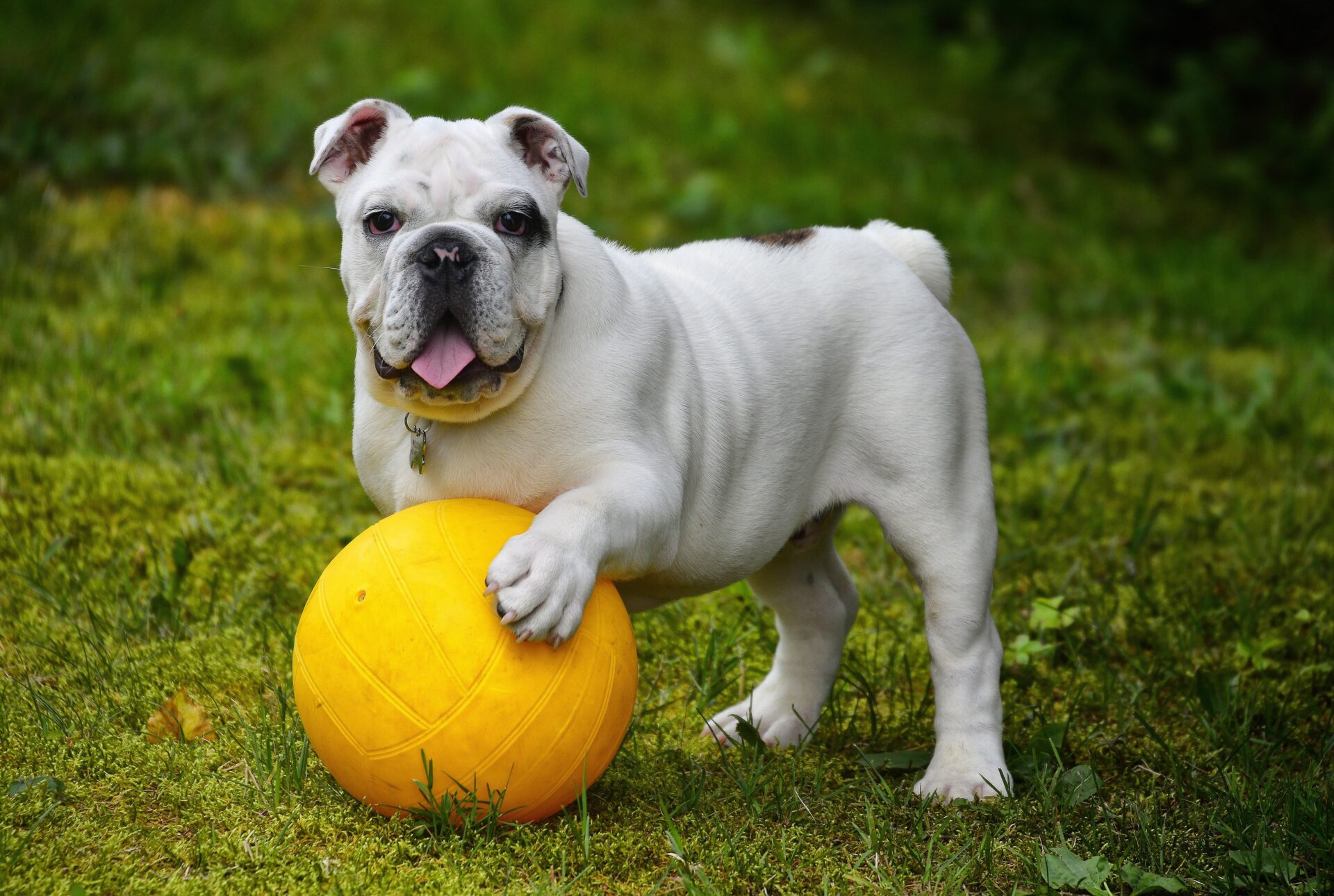
3. Teaches Focus with Distractions
In real life, your dog will face many distractions like traffic, strangers, and other animals. Group training prepares your dog for this by teaching them to focus on your commands despite these distractions.
Dogs learn by observing others. In group classes, your dog sees other dogs following commands and receiving rewards. This motivates them to copy good behavior.
5. More Affordable Option
Group training is usually more budget-friendly than private sessions because the cost is shared among multiple participants.
6. Provides a Structured Learning Environment
Group classes follow a step-by-step training program designed by professionals. Each session builds on previous lessons, helping your dog learn commands gradually. This structured approach ensures consistency, which is essential for successful training and long-term behavior improvement.
7. Great for Basic Obedience Training
It is ideal for teaching essential commands such as sit, stay, come, and heel. These basic skills form the foundation for good behavior at home and in public.
8. Helps Reduce Behavioral Problems
Regular group training can help reduce common behavior issues like excessive barking, jumping on people, or pulling on the leash. The combination of discipline, repetition, and social exposure teaches your dog proper behavior in different situations.
9. Creates a Fun and Engaging Learning Environment
Training in a group is more interactive and enjoyable for dogs. They get to move around, meet other dogs, and experience new activities.
10. Strengthens the Bond Between Owner and Dog
Group training is not just for dogs; it also teaches owners how to communicate effectively with their pets. You learn how to give clear commands, reward good behavior, and manage your dog in different situations.
Cost Comparison: Group Training vs. Private Training
When choosing between group and private training, cost is an important factor. While both options provide valuable benefits, their pricing structures can differ.
Breakdown of Group Training Costs
Group classes typically charge a per-session fee, which is often lower than the cost of private lessons. Many trainers offer discounts for multi-session packages, making it an economical choice for ongoing training.
Analysis of Private Training Fees
Private training sessions usually come with a higher price tag due to the one-on-one attention provided. However, the concentrated learning may lead to faster results, potentially saving money in the long run.
Choosing the Right Trainer
When selecting a trainer, consider their qualifications, experience, and training philosophy. Look for trainers who specialize in the type of training you are seeking, whether group or private.
Evaluating Trainer Compatibility
Ensure that the trainer’s methods align with your training goals and that you feel comfortable with them. A good trainer should communicate openly and be responsive to your dog’s needs.
Importance of Trainer Philosophy
Understanding the trainer’s approach to behavior modification and training techniques can significantly impact your dog’s learning experience. Choose a trainer whose methods resonate with you and match your dog’s needs.
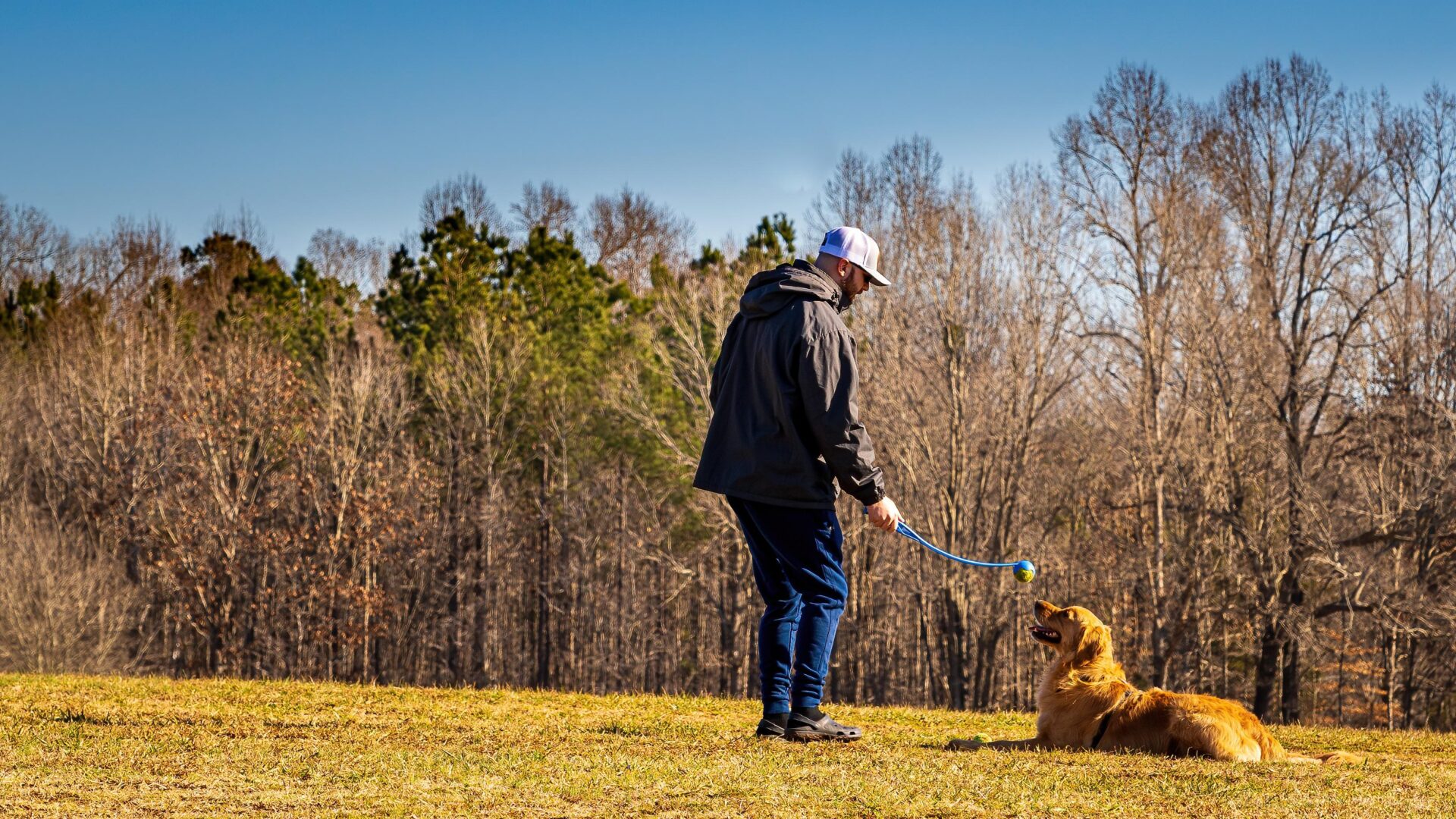
Common Misconceptions About Group Dog Training
Many dog owners hesitate to join group training classes because of common myths and misunderstandings. In reality, group dog training can be very effective when done correctly.
Let’s clear up some of the most common misconceptions.
1. My Dog Won’t Get Enough Attention.
Some people think trainers ignore individual dogs in a group setting. In fact, experienced trainers observe each dog closely and guide every owner.
2. Group Training Is Only for Well-Behaved Dogs
Many believe only calm or trained dogs can join group classes. The truth is, group training is designed to teach dogs how to behave better, even if they are energetic or slightly misbehaved.
3. My Dog Will Get Distracted and Learn Nothing
Distractions are actually part of the learning process. Training your dog around other dogs and people helps them focus in all situations, which is more useful than training in a quiet environment.
4. Aggressive Dogs Can’t Join Group Classes.
While highly aggressive dogs may need private training first, not all reactive dogs are excluded. Many group classes are structured to manage space and safety while helping dogs improve their behavior gradually.
5. Group Training Is the Same as Private Training
Some assume both methods offer the same experience. However, group training focuses more on social skills and basic obedience, while private training is more personalized.
6. There Is No Personalization in Group Classes
Even though lessons follow a general plan, trainers often give individual tips based on each dog’s behavior. You can still adjust techniques to suit your dog’s personality.
7. Small Dogs Will Feel Intimidated.
Owners of small dogs often worry about larger breeds. Most group classes separate dogs by size or temperament to ensure a safe and comfortable environment for everyone.
8. It Is Too Chaotic to Be Effective.
Group classes may seem busy, but they are usually well-organized. Trainers control the environment carefully so dogs can learn step by step without feeling overwhelmed.
9. Dogs Will Pick Up Bad Habits from Others.
Many people fear their dog will copy negative behavior. In reality, trainers guide interactions and focus on positive reinforcement, helping dogs learn good habits instead.
10. Group Training Is Only for Beginners.
Group classes are not just for beginners. There are often different levels, from basic obedience to advanced skills, so dogs can continue learning and improving over time.
Monitoring Progress in Training
Tracking your dog’s progress during training is very important. It helps you understand what your dog has learned, what needs improvement, and how effective the training methods are.
1. Set Clear Goals
Start by setting simple and clear training goals, such as “sit on command” or “walk without pulling.” Clear goals make it easier to measure progress step by step.
2. Observe Behavior Changes
Pay attention to small improvements in your dog’s behavior. For example, your dog may respond faster to commands or stay calmer in distracting situations.
3. Keep a Training Journal
Write down what you practice each day and how your dog performs. This helps you track patterns, notice improvements, and identify areas that need more work.
4. Measure Consistency
A dog that performs a command once is learning, but a dog that does it consistently has mastered it. Practice commands in different places to test consistency.
5. Track Response Time
Notice how quickly your dog responds to commands. Faster responses usually show better understanding and confidence.
6. Watch Body Language
Your dog’s body language can tell you a lot. A relaxed and focused dog is more likely to be learning well, while signs of stress may mean you need to adjust your approach.
7. Get Trainer Feedback
If you are working with a professional trainer, ask for regular feedback. Trainers can spot improvements or issues that you might miss.
Additional Training Resources for Dog Owners
Training your dog does not have to stop after classes or sessions. There are many helpful resources available that can support you in continuing your dog’s learning at home. Using the right tools and guidance can make training easier, more effective, and more enjoyable for both you and your dog.
1. Online Training Courses
Online courses are a convenient way to learn new training techniques. They often include step-by-step video lessons that you can follow at your own pace from home.
2. Dog Training Books
Books written by professional trainers provide detailed guidance on obedience, behavior correction, and communication with your dog. They are great for building a strong foundation.
3. Mobile Training Apps
Dog training apps can help you stay organized by offering daily training plans, reminders, and progress tracking. They are easy to use and perfect for busy dog owners.
4. YouTube Channels
Many expert trainers share free training videos online. These videos can help you understand techniques visually and learn how to handle different situations.
5. Local Training Clubs
Joining a local dog training club gives you access to group activities, practice sessions, and support from other dog owners. It also helps your dog stay social and active.
6. Dog Behaviorists
For serious behavioral problems like aggression or anxiety, a certified dog behaviorist can provide deeper insights and customized solutions.
7. Social Media Communities
Online groups and forums allow you to connect with other dog owners, share experiences, and ask questions. These communities can offer practical tips and emotional support.
8. Training Equipment
Using the right tools, such as leashes, clickers, and treat pouches, can make training sessions more effective and structured.
Conclusion
Both training options are valuable investments in your dog’s behavior and well-being. While group training saves money upfront, private training can save time and effort by delivering faster, targeted results.
FAQs
1. Are group training games safe for all dogs?
Yes, most games are designed with safety in mind. Trainers usually control space and interactions to ensure all dogs feel comfortable and secure.
2. Do training games work for puppies and adult dogs?
Yes, games can be adapted for all ages. Puppies learn basic manners, while adult dogs can improve their behavior or learn advanced skills.
3. How long should training games last in a class?
Games are usually kept short, around a few minutes each, to keep dogs interested and prevent them from getting tired or distracted.
4. Do group games improve social behavior?
Yes, playing games around other dogs teaches your dog how to behave calmly and respectfully in social situations.
5. What if my dog doesn’t want to join the game?
Some dogs need time to adjust. Trainers usually allow them to observe first and join when they feel more comfortable.
6. Can private games reduce anxiety in dogs?
Yes, structured games can help calm anxious dogs by giving them clear tasks and positive experiences.