
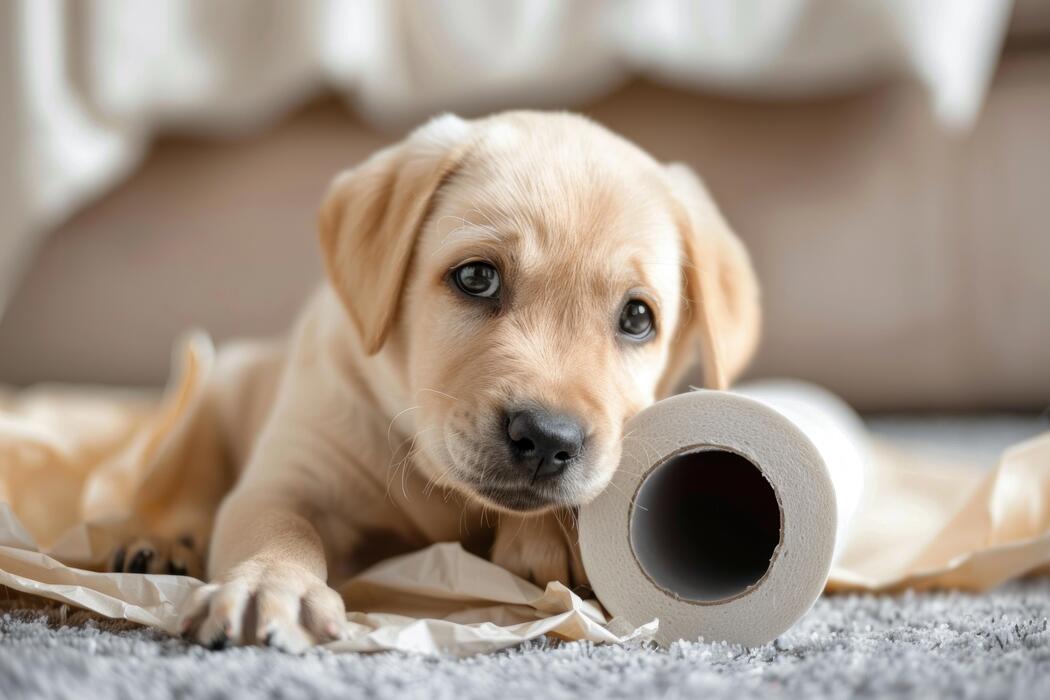
Bringing home a new puppy is pure joy. But let us be entirely honest for a second, the immediate housebreaking phase can feel completely exhausting. Right at the top of your to-do list is puppy potty training.
The good news? It does not need to turn into a complicated nightmare.
But each puppy will have its own timetable for physical and mental development. However, this first week in your home is really a great opportunity for forming basic repeatable habits. There is no guarantee of perfection right away.
That is not realistic for a young dog with a tiny bladder. Instead, view this guide as building a solid foundation, one that helps your pup understand what you actually want while cutting down on indoor messes.
Your 7-Day Housebreaking Roadmap
Day 1: Build a Super Predictable Schedule
Puppies thrive on routine. They find comfort in knowing what comes next. Taking your dog to their designated spot at predictable intervals takes almost all the guesswork out of the equation for them.
Rather than waiting for your pup to give you a signal, take the lead. Get them to the potty during these key daily transitions:
- The second they wake up in the morning
- Roughly 10 to 15 minutes after eating
- Immediately after waking up from a nap
- Right after a vigorous play session
- Just before settling down for the night
Proactively managing the clock gives your puppy constant opportunities to get it right. In the early stages, consistency is easily your best tool.
Day 2: Reward Success on the Spot
Everything depends on timing. Once your puppy uses the bathroom in the right spot, you must immediately reinforce them positively.
If you take even a slight delay, your puppy will not associate that reward with the action he just did on the potty. Make sure to have some small treats handy in your pocket. Once they are done, praise them quietly or give them a treat right there. Your puppy will realize pretty soon that good behaviour has its advantages.
Day 3: Keep Your Eyes Glued to the Pup
Being proactive early on allows you to avoid having to backtrack on bad behavior later. Young puppies typically always exhibit some form of physical clue before they become aware that they need to go.
These include excessive sniffing sessions on the floor, pacing in circles, ceasing whatever fun activity they were engaged in all of a sudden, and moving towards quieter areas. The second you notice any of these behaviors, lead them to the potty.
Day 4: Accidents Will Happen (Do not Stress)
During puppy potty training, accidents are going to happen. They are an inevitable, completely normal part of raising a young dog.
Try hard not to react with frustration or scolding when an indoor mistake occurs. Correcting a puppy after the fact creates anxiety rather than clarity. In case of any accidents, just clean the area well using the enzymatic cleaner and get back on track with the scheduled program. Consistency is always better than impulsive emotions.
Day 5: Introduce a Simple Cue Word
When your puppy starts using its potty spot consistently, combine the physical movement with a brief verbal command such as “potty” or “toilet.”
Repeat the command calmly when your puppy starts going. In time, your puppy will start associating the particular command with the activity, which is a very handy thing for before you travel in your car or before bedtime.
Day 6: Build Confidence in New Settings
A new environment will have new distractions. After your dog is able to use their primary toilet location consistently, you can start introducing potty training outdoors on grass patches. This helps your dog learn that it is also appropriate to toilet outside in different environments.
Going at a pace that your dog will not be overwhelmed will build reliability through time. This method plays an important role in puppy training Singapore, since it helps them adjust to the urban setting.
Day 7: Track Progress, Not Mistakes
As the week comes to a close, take into account the big picture as opposed to dwelling on a single mistake. Determine how many times they made it to the potty instead.
This is because every success will strengthen the same skills that you are trying to teach them. Training is a long process, and acknowledging successes will make it a fun experience for you and your dog.
Pitfalls That Slow Down Potty Training
Well-meaning owners often slow down their puppy’s progress by falling into a few predictable traps:
- Changing the designated toilet location too often during the first week.
- Stretching the clock and waiting too long between bathroom breaks.
- Scolding or rubbing a puppy’s nose in a mess breeds fear.
- Expecting tiny bladders to hold it for six to eight hours straight during the day.
- Using different command words across different family members.
Steering clear of these common missteps saves a tremendous amount of stress for everyone under your roof.
When to Seek Outside Support
While some puppies pick up quickly in just a couple of days, there are others that need much more time to develop control.
If your puppy still has many accidents, even when there is a well-planned schedule for him, or if he is really afraid of going to the potty, you should consider contacting a professional dog trainer.
Getting help from the outside is definitely not about making things right because of a mistake, one small change is all you need.
Practical Routines with PerfectK9
At PerfectK9, we understand that each dog has its own developmental schedule. Success comes through patience and communication by the owners, along with realistic and workable schedules.
In addition, our efforts do not revolve around achieving overnight success but rather developing true confidence and good habits that will stand the test of time. This is why we work to help both dogs and owners during the first few weeks so that housetraining becomes an enjoyable bonding activity from the very beginning.
Frequently Asked Questions
Q. Can a puppy truly be trained in 7 days?
The first week revolves around developing a good routine as opposed to physical perfection. Puppies develop in different ways, but what the first week will achieve is laying the groundwork for reliability.
Q. How frequently should a young puppy go potty?
Take them out immediately after waking up, after meals, post-nap, following play sessions, and right before bed. Frequent opportunities prevent indoor accidents before they ever happen.
Q. What is the best way to handle an accident?
Clean it up quietly without any scolding. Punishment creates confusion and anxiety, which actually delays successful training.
Q. When does it make sense to hire a professional coach?
In case the progress stalls, or you find yourself being overwhelmed with constant mess, employing a professional can give you a definite way to get back on track.