
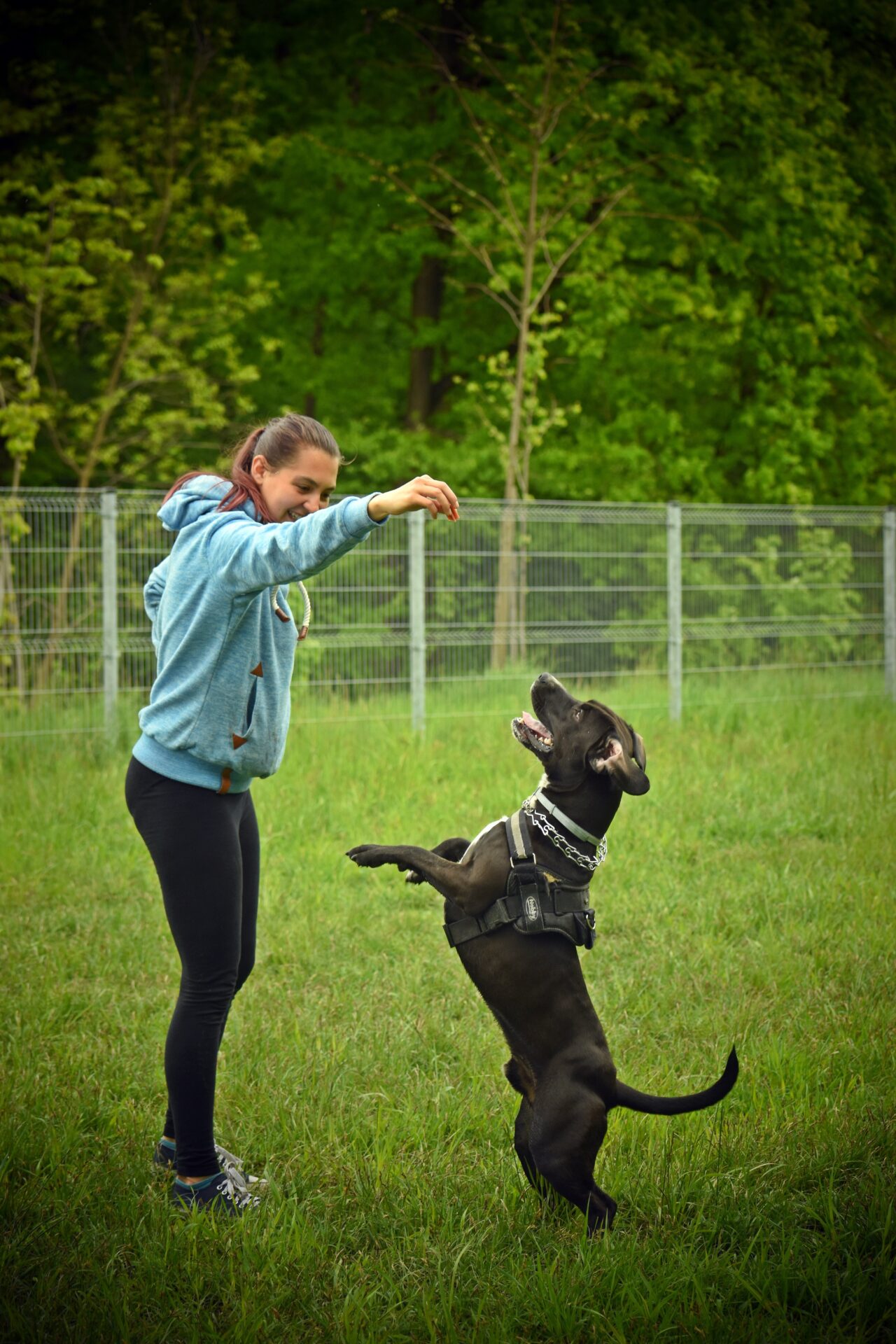
Many dog owners believe they need to set aside long training sessions every day. In reality, some of the best learning happens during everyday routines.
People are busy. Running errands takes forever. You are exhausted. Adding “formal practice sessions” to an already packed to-do list?. However, here is the trick: you do not need scheduled classes. The absolute best dog training happens right in the middle of your daily routine anyway.
Literally every time you interact with your pup, you are teaching them something. The real deal on manners is formed during those little everyday moments, whether you are in a hurry to make your morning coffee, waiting on a package, or lying down on your couch and watching TV.
Rethinking Your Daily Routine
1. The Morning Food Bowl Trick
Dogs love routine. They live for it.
So instead of letting breakfast turn into a frantic scramble, turn that bowl of kibble into a quick brain game. Before dropping the bowl on the tile, ask for a simple sit. Make them wait just three seconds before giving your release signal. Zero extra minutes out of your day, but it forces your pup to practice impulse control before getting their reward.
2. Upgrading the Daily Walk
Your daily walk should not just be about sniffing lampposts and bathroom breaks.
Use it to work on focus. Every single time your dog turns around to look at you, naturally? Reward them. Toss in a sudden turn just to see if they are paying attention. These quick, real-world tests are the true foundation of solid dog training Singapore programs.
3. Catching Good Choices (No Commands Needed)
Most people only notice their dogs when they are being irritating, making a noise, biting at a shoe, or getting up on visitors.
Flip that completely upside down. Your dog chooses to lie down quietly under the table while you make lunch? Toss them a treat. No commands spoken. Just reward the quiet choice. Over time, they start offering calm behavior automatically because it pays off.
Simple Rules That Save Your Sanity
4. Micro-Sessions Beat Long Workouts
Trying to push a dog through a 45-minute training marathon is a terrible idea. They get frustrated. Then you get frustrated.
Keep it micro instead. Do two minutes while waiting for your food to microwave. Do three minutes before clipping on the leash. Short, high-energy bursts keep your dog eager for more instead of tuning you out completely.
5. The Whole House Has to Agree
If you use different words like “off,” “down,” and “stop” for the same thing, your dog will just get confused.
Sit the whole household down for five minutes. Decide on exact command words. If the rules keep changing depending on who is in the room, learning grinds to a complete halt.
6. Real Life Confidence Boosts
The world is full of loud, new experiences like garbage trucks, umbrellas opening, and roaring motorbikes.
Do not shield your pup from everything. When something strange happens, stay calm, hand over a high-value treat, and let them process it at their own speed. You are teaching them that weird noises equal good things happening.
What to Do When Things Get Messy
7. Mistakes Are Just Data
Your dog is going to mess up. They will forget a command they knew yesterday. They might completely blow you off at the park.
Do not make a huge drama out of it. A mistake usually just means the environment was too loud, or they were tired. Step back, make the task easier, and try again. Progress is never a straight line.
8. Taking Skills “Into the Wild”
A “sit” in a quiet hallway is easy. A “sit” near a noisy hawker center or busy park? Expert level.
If you teach your dog how to perform a trick within the confines of your own home, take it outside to less controlled environments and see if he can do it there. This will go a long way towards making up the bulk of dog obedience training in Singapore.
9. Make Training Enjoyable
If the training feels like a dull process for you, then it is the same for them as well.
Turn your lessons into a game. Play hide and seek down the hallways. Reward your pet using praise, toys, or funny voices. Finish your game on a good note while your dog is still enjoying themselves.
Knowing When to Get Outside Help
10. Know When to Seek Professional Guidance
While consistent daily practice at home resolves most basic manners, complex behaviors often require an experienced set of eyes.
Having a professional dog trainer come in does not reflect a lack of ability on your part; rather, it gives you a detailed map that will guide you based on your particular pet’s personality.
The Perfect K9 Approach
At Perfect K9, we do not believe in rigid, robotic routines or forcing owners into complicated training systems that do not fit real life.
Real progress happens long after a formal class finishes. That is why we focus on giving you practical, simple habits you can actually stick to at home. With everything we do customized for the speed and confidence of your dog, we enable you to develop a laid-back and dependable bond that will last.
Scheduling training into your schedule is never about tacking on additional activities to your routine. It is simply about utilizing the little bits of time you already spend with your dog.
Quick FAQs
Q. How do I find time to train if I work long hours?
Do not schedule extra sessions. Just build 30-second reps into stuff you already do daily, like pre-meal routines, door manners, or commercial breaks on TV.
Q. How long should a single session last?
Keep it between three and eight minutes max. Stop while your dog is still excited and doing well.
Q. Does my whole family really need to use identical commands?
Yes. Using different words for the same action confuses dogs and doubles the time it takes them to learn.
Q. When is it time to hire a professional coach?
If you feel stuck, overwhelmed, or notice signs of fear or aggression getting worse, consult an experienced dog trainer early before the habit gets deeply ingrained.