
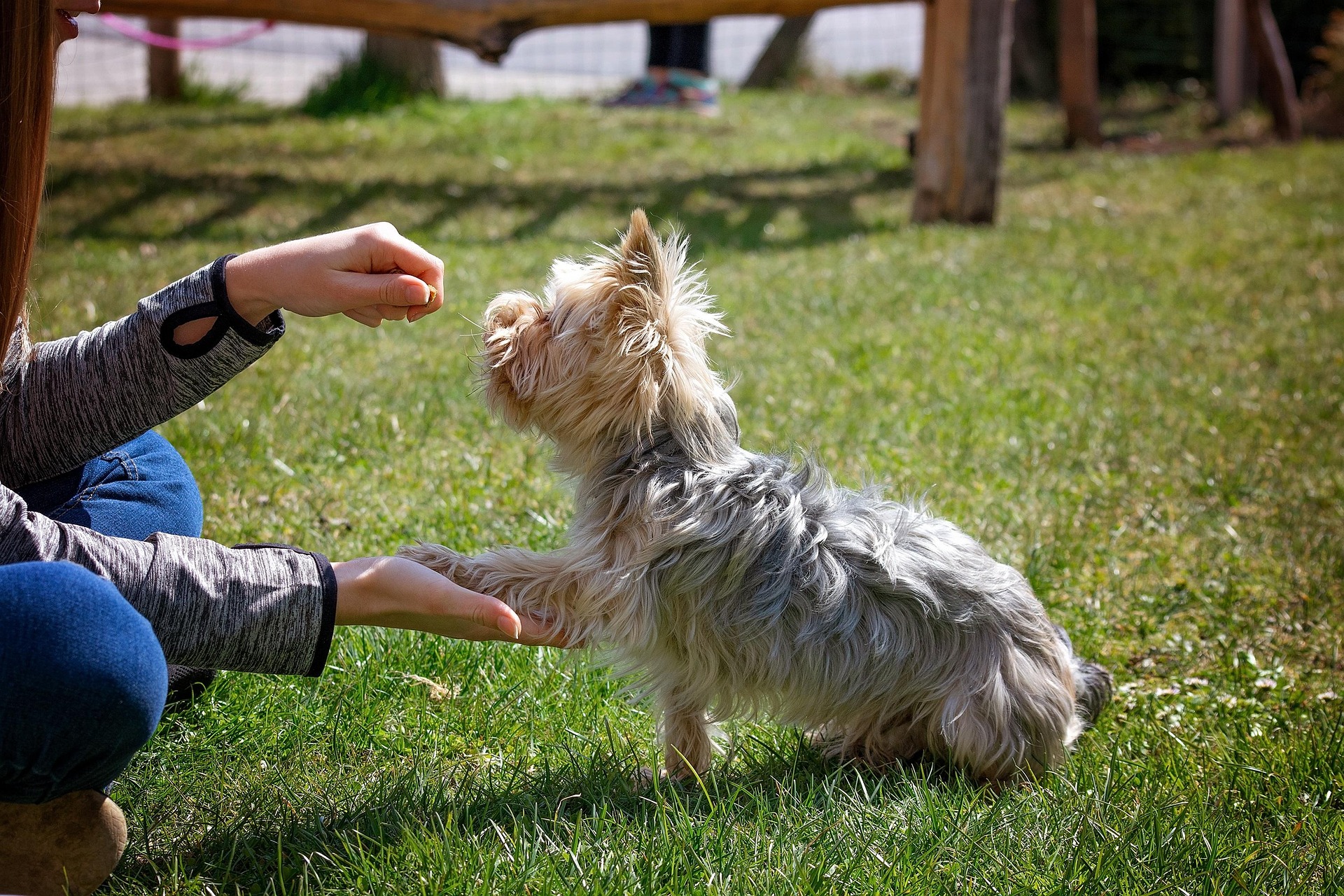
Taking in a dog is just awesome. But here is one thing you must understand: It requires a lot of work every day. Whether you are having trouble house-training a puppy or you are trying to get a rescue not to pull like a freight train while walking, no part of the day is not affected by training.
Good news? It does not have to be a headache.
It becomes very easy to build good habits when one stops using all that jargon and starts communicating properly. Currently, if you are considering dog training SG, there is one simple thing that you must remember – each dog learns at its own pace. Age, instincts, past trauma, and even your flat’s layout alter how fast things click.
Here is what you actually need to know before diving in.
Why Training Is About Way More Than Sitting on Command
Command lists are overrated. Sure, teaching a dog to sit is cute, but training is really about showing your pup how to live peacefully in a human world. It gives them structure. It gives you sanity.
Think about standard daily life:
- Having guests over without someone getting jumped on.
- Walking past noisy hawker centers without a meltdown.
- Leaving your dog home alone without coming back to chewed shoes.
Appropriate guidance will transform those crazy moments into simple routines. It also provides knowledge on dealing with stressful situations if your dog encounters any trouble. You are not looking for perfection in the form of a robotic dog, just one that is easy to manage.
The “Early Start” Myth (And Reality)
Puppies are absolute sponges. From the day you bring them home, they absorb everything. That is why starting early with a solid puppy trainer Singapore program makes life infinitely easier down the line. Getting toilet habits, biting boundaries, and crate routine right in month three saves you from fixing ingrained behavioral messes in year three.
But what if you adopted an older dog?
No cause for alarm. The popular saying is completely wrong because old dogs have the capacity to be trained. All that they require is more patience and repetition.
Focus on Real-Life Skills Over Party Tricks
Spinning in circles or shaking hands is fun, but can your dog actually relax when you eat dinner?
Prioritize real-world manners:
- Loose-leash walking on busy Singapore pavements.
- Settling quietly on a mat while you work from home.
- Coming back immediately when called at the dog park.
- Waiting politely before darting through open doors.
Instead of setting aside an annoying hour every night for training time, just weave these moments into your normal day. Ask for a quiet wait before dropping their food bowl. Practice eye contact during morning strolls. Real life is the best classroom.
Short Beats Long Every Single Time
Endless 45-minute drills do more harm than good.
Dogs tire mentally very fast. As soon as frustration hits, learning halts right there and then. Instead, do brief intervals of 2 to 3 minutes each day.
Two minutes before breakfast. Three minutes while waiting for the lift. A quick focus game on the walk home.
The quick bursts keep your dog wanting more while also slotting perfectly into a busy daily routine. Consistency trumps length hands down every time.
How Positive Reinforcement Actually Works
Dogs do what works for them. Period.
If performing that behavior results in them getting something amazing like chicken, words of praise, or a quick tugging game, they will repeat the behavior. This is positive reinforcement in its simplest form.
When they mess up? Do not yell or freak out. Frustration just creates fear and ruins trust. Instead, figure out why they failed. Was the room too noisy? Was the reward too boring? Dial back the difficulty, fix the setup, and try again.
The Rule Everyone Forgets: Household Consistency
No matter how good the trainer is, if your family cannot get together on the same wavelength, then your dog will remain confused.
If you ban your dog from the sofa, but your spouse sneaks them onto the couch for an evening snuggle session, your dog becomes confused. Sit down with your family and come to some common understandings about boundaries:
- Are dogs allowed on furniture?
- What exact word are you using for recall? (“Come” vs. “Here”)
- How do you handle door barking?
Clear, uniform rules equal a calm, confident dog.
Knowing When to Call in a Professional
Can you train a dog entirely on your own? Absolutely.
Plenty of owners manage just fine using books and videos. However, if you find yourself overwhelmed, dealing with a problem such as reactive barking, or simply do not have the time, then enrolling in a Singapore dog training school is your best bet.
The right instructor does not train the dog only but also trains you. They notice microexpressions you overlook, improve your timing, and provide you with an individualized plan to follow within your household environment.
Unpacking Training Costs
When researching k9 dog training prices, looking purely at the lowest quote is a mistake. Cheap group classes might seem attractive, but if you get zero individual attention and walk away confused, you have wasted your cash.
Look at total value instead:
- Is the trainer giving you hands-on feedback?
- Do they offer support between sessions?
- Is their methodology humane, modern, and clear?
Invest in skills that stick with you for the rest of your dog’s life.
How We Approach Things at PerfectK9
At PerfectK9, we do not offer generic solutions.
We believe each dog has a distinct personality and a specific lifestyle. Thus, our goal is to teach you and your pet real-life skills that will make living together easy and fun.
We take you through every step of the process and guide you on how to simplify the concepts of behavioral science. We aim at implementing confidence in your dog and provide you with the necessary skills to handle things independently.
Wrapping It All Up
Training a dog is not a quick six-week project with a hard finish line. It is an ongoing, daily partnership between you and your pet.
Have realistic expectations, do not forget to appreciate even minor successes, and remain patient when something does not work as planned. In case you choose to have someone help you along, find a coach whose goals align with yours and who shows respect to your pet.
In essence, you are not working towards getting any prize for obedience. You want to have a happy, stress-free life with your dog.
Frequently Asked Questions
Q. When should I start training my puppy?
The day they arrive home. Start immediately with gentle boundaries, crate routines, and toilet habits. Starting early is essential for a better relationship with your pet.
Q. How much does dog training cost in Singapore?
K9 dog training prices vary greatly based on your selection between private training sessions at home and group classes. Nevertheless, focus on the trainer’s expertise and their methods, not on cheap pricing.
Q. Is hiring a professional puppy trainer Singapore necessary?
Not mandatory, but highly recommended for first-time owners. A professional puppy trainer Singapore helps you avoid common handling mistakes before they turn into permanent habits.
Q. Can an aggressive or reactive dog still be trained successfully?
Yes, absolutely. Reactive behavior, like lunging, barking at other dogs, or snapping at strangers, is almost always rooted in fear or over-arousal rather than pure malice. With structured desensitization, proper management, and steady guidance from a skilled professional, reactive dogs can learn to feel safe and make far better choices in high-trigger environments.