
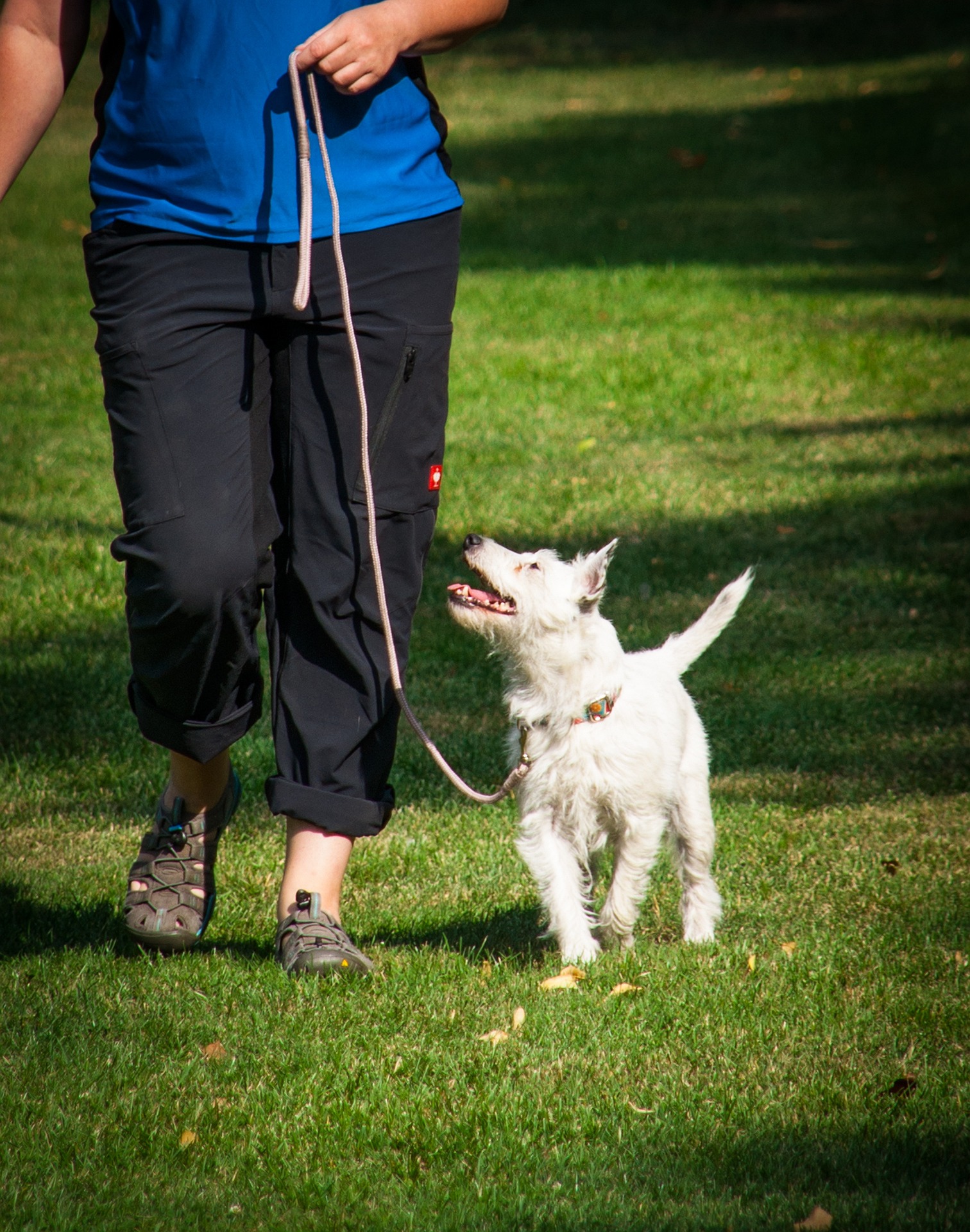
Training a dog in Singapore should not require taking out a second mortgage or completely upending your home life.
Most dog owners are not aiming to train a competition champion or a circus performer. What we really want is very simple – a nice and well-behaved pet that would not only walk calmly on the lead but also not make noise when people walk past your entrance.
Here is the bitter truth about affordable dog training – it does not have anything to do with costly gadgets or lessons. Real progress happens when you know how to use your ordinary daily environment to your advantage.
Once you learn to leverage what you already have at home, you get rapid results without blowing through your savings.
Strategy 1: Turning Everyday Life into Your Classroom
But the problem is that most people get trapped in the usual mode of thinking. They think that training means having a treat bag, a clicker, and setting a clock to start their training sessions.
In other words, there is a huge loophole created by such an attitude. The dog will learn that all the restrictions can be ignored for 23 hours and 45 minutes since you implement them only during those 15 minutes in the evening. Habits will be formed when learning becomes a part of everyday life.
Capitalize on Your Normal Routine
You do not need extra hours in your day to build great manners. Every encounter that you have with your dog is already a teaching moment:
- Patience During Mealtime: Wait for just two seconds of quiet eye contact before lowering the food bowl onto the ground.
- Control Near Doorways: Stop and wait for the quiet sit before you open the door or walk into the elevator lobby.
- Quiet Dettling: Reward with a kibble or calm praise each time your dog sits calmly on the mat while you are watching TV.
These micro-training exercises require no additional time, cost nothing, and provide you with real-life limits far quicker than training exercises in isolation.
Get Everyone at Home on the Same Page
Inconsistent household rules are secretly the biggest driver of high training costs. When family members enforce different standards, the dog gets confused. At that point, the owners take it for granted that the dog is being stubborn and thus spend money on extra classes for their pet, when in reality it was simply confused by contradictory messages from its owners.
Spend ten minutes sitting down with your family and planning a strategy:
- Set firm boundaries: You must decide whether jumping onto the couch and hanging around the dinner table for food scraps is acceptable.
- Standardize your cues: Pick one clear word for recall and stick to it strictly. Use “Come” every single time, rather than switching between “Here,” “Come over,” or just yelling the dog’s name.
A unified home environment strips away confusion overnight, speeding up progress without spending a single dollar.
Strategy 2: Mastering Core Skills Without Overspending
In dog obedience training, how one trains becomes infinitely more important than how much time one spends training them. Overly prolonged periods simply exhaust the dog, whereas concise, precise training is highly effective.
Work on One Skill at a Time
Attempting to work on loose leash walking, door barking, house training, and recall in just one week is way too much for your dog’s mind to cope with.
Focus on one key skill first. Practice that skill in a calm living room environment with no distractions until your dog becomes consistent, then gradually expose him to outside situations.
Smart, Low-Cost Positive Reinforcement
Rewarding your dog does not mean buying marked-up gourmet treats for every single repetition. Look at what you already have in your kitchen:
- Healthy does not have to mean expensive: High-value treats can still be budget-friendly. Look for simple, healthy options, use very small pieces and reserve them specifically for training.
- A rapid ten-second pull game with a rope toy can act as the best reward for an excellent response.
- Provide true verbal praise along with a quick scratch at the base of the ears for making an intelligent decision all by themselves.
Rewarding such positive behavior immediately lets your pet understand exactly what gets rewarded and form strong habits while having fun, and it does not cost a dime.
Strategy 3: Puppies, Adult Dogs, and Evaluating Real Costs
Knowing what you can handle on your own versus when it makes sense to bring in an expert is the real key to keeping lifetime costs down.
Tailor Expectations to Your Dog’s Age
Puppies and adult dogs learn on completely different timelines; treating them the same is a recipe for wasted effort.
Early puppy training Singapore routines should not focus on rigid obedience commands. Instead, prioritize housebreaking, crate comfort, gentle handling, mouthing limits, and building confidence around busy city sounds. Expecting a young pup to execute a strict five-minute stay is totally unrealistic.
Adult dogs, on the other hand, usually catch on to basic concepts quickly but need structured guidance to unlearn ingrained habits. Matching your training approach to your dog’s actual stage of life saves you time, money, and headache.
Focus on True Value Over Cheap Rates
When you start comparing k9 dog training prices, picking the absolute cheapest option on paper is often a trap. A low-cost group class that hands out generic advice without giving you individual feedback ends up being a complete waste of money.
Look closely at what you are actually getting for your dollar:
- Does the trainer teach you how to troubleshoot issues on your own when challenges pop up at home?
- Is the program tailored specifically around your dog’s personality and your actual living arrangement?
The most effective dog obedience training Singapore options do not try to keep you dependent on a professional forever; they teach you how to become a confident, capable handler yourself.
The Perfec K9 Approach
At PerfectK9, we believe solid dog training should be straightforward, practical, and built for real life in Singapore.
It is not about cookie-cutter solutions or tricks. Our coaching focuses on ensuring that you have the practical handling skills, timing, and confidence needed for successfully managing your dog in all sorts of real-life scenarios.
Be it training your puppy during those hectic first few weeks of puppyhood or teaching your adult dog some manners, the goal is to make sure that you establish an understanding and relaxed partnership with him.
Frequently Asked Questions
Q. Is affordable dog training actually effective?
Yes, certainly. Affordable dog training becomes very effective if it is done consistently in terms of practice, quick lessons, and setting house rules. Your actions at home influence the behavior of your dog much more than the cost of the program.
Q. How can I keep overall dog training costs down?
Use professional coaching sessions strategically to get expert guidance and fix specific roadblocks, then handle the everyday reps yourself at home. Turning normal daily activities, like walks and mealtimes, into quick teaching moments cuts out the need for continuous paid classes.
Q. What should I keep in mind when comparing k9 dog training prices in Singapore?
Pay attention to the level of direct owner coaching included, the methods being used, and whether the advice actually applies to your home setup, rather than looking strictly at the baseline price.
Q. Do young puppies really need formal obedience training?
Puppies need foundational habits, housebreaking, and confidence-building much more than formal commands. A well-structured puppy training Singapore routine establishes a great foundation while keeping expectations completely age-appropriate.