
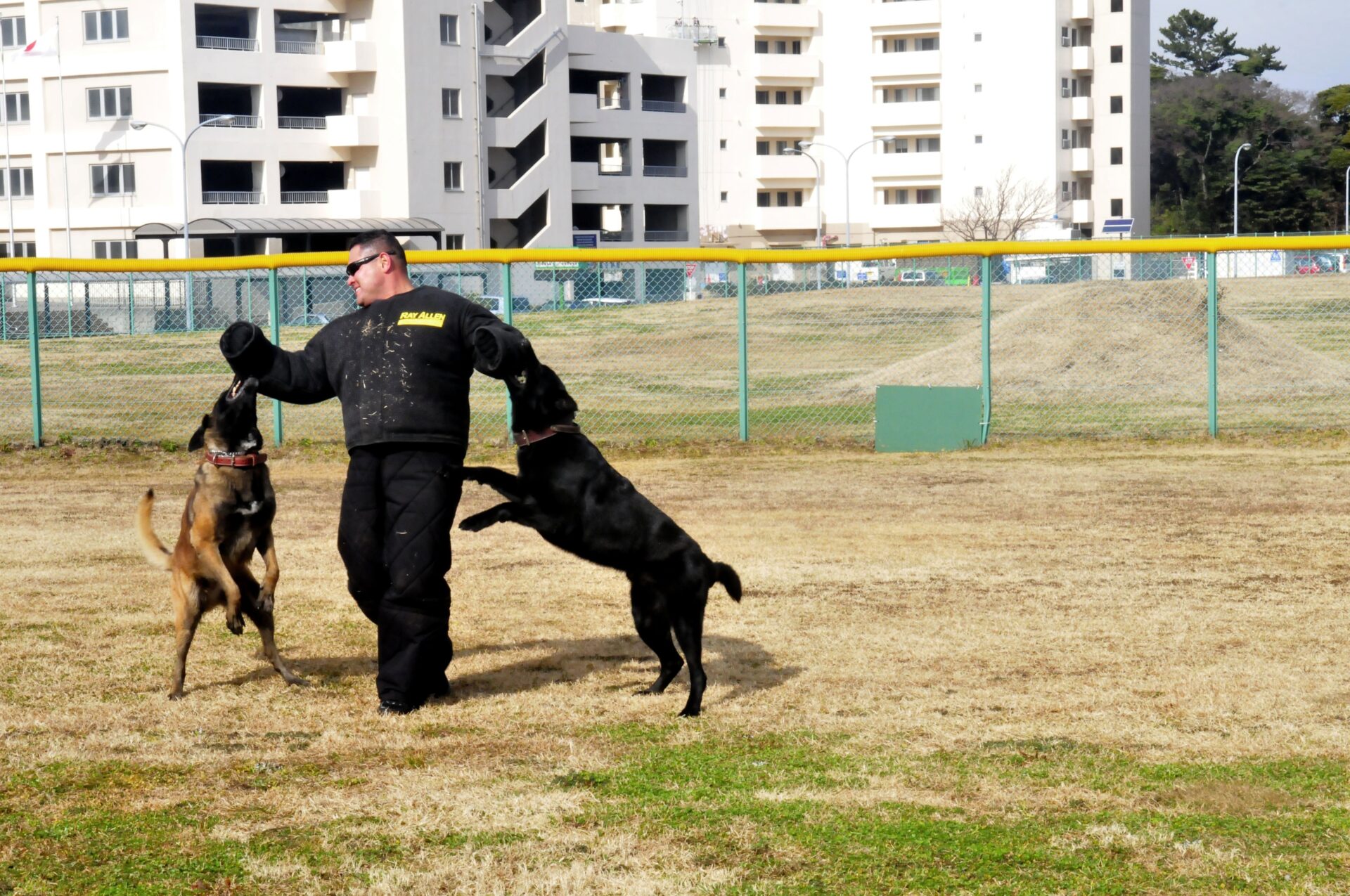
Accredited dog training is a type of training provided by professionals with official certification from recognized organizations. These trainers follow approved standards and use proven, science-based methods to train dogs safely and effectively. In Singapore, where urban living and strict pet regulations require well-behaved dogs, accredited training becomes even more important.
In this blog, we will explore why accredited dog training is worth it, the difference between certified and accredited dog trainers, and how it benefits both you and your furry companion.
Certified vs Accredited Dog Trainers
In Singapore, the terms “certified” and “accredited” are often used interchangeably, but they have distinct meanings in the context of dog training. Understanding the difference helps pet owners choose trainers who follow recognized standards and ethical practices.
| Aspect | Certified Trainer | Accredited Trainer |
|---|---|---|
| Definition | Has completed a course or exam in dog training | Recognized by a governing body like AVS for meeting professional standards |
| Oversight | May not be monitored after certification | Regularly assessed to maintain accreditation |
| Standards | Depends on the issuing organization | Must follow strict, regulated, ethical, and professional guidelines |
| Methods | Varies; may or may not be science-based | Uses approved, science-based, and humane training methods |
| Accountability | Limited; mostly self-regulated | High adherence to a code of conduct is required |
| Reliability | Can vary widely | Generally consistent and trustworthy |
| Professional Recognition | Informal or course-based recognition | Officially recognized in the industry |
| Owner Confidence | Moderate; depends on course credibility | High, backed by a recognized authority |
| Focus | Completion of the training program | Continuous quality, ethics, and effectiveness |
| Long-Term Validation | May expire or not be updated | Periodically renewed to maintain standards |
Benefits of Accredited Training
Starting your journey as a dog owner can feel overwhelming, especially when you are unsure how to train and manage your pet. Accredited training gives you the right guidance, builds your confidence, and helps your dog learn good habits from the beginning.
1. Builds a Strong Foundation
Accredited training teaches basic commands like sit, stay, and come in a structured way. These early lessons shape your dog’s behavior and make future training much easier. A strong foundation also helps prevent bad habits from forming.
2. Improves Communication
You learn how to understand your dog’s body language and signals. At the same time, your dog learns to respond to your commands clearly. This two-way communication reduces confusion and strengthens your bond.
3. Encourages Positive Behavior
Professional trainers use reward-based methods to reinforce good actions. Your dog learns what is expected without fear or stress, which leads to better behavior at home and in public places.
4. Prevents Common Mistakes
First-time owners often make training errors, such as inconsistency or using the wrong techniques. Accredited trainers guide you step by step, helping you avoid mistakes that could delay your dog’s progress.
5. Boosts Owner Confidence
With expert support, you feel more confident handling your dog in different situations. Whether it is walking in public or meeting new people, you know how to stay in control and guide your pet properly.
6. Helps with Socialization
Training programs often include interaction with other dogs and people. This exposure helps your dog become calm and friendly instead of fearful or aggressive in new environments.
7. Reduces Behavioral Problems
Issues like excessive barking, jumping, or chewing are common in untrained dogs. Accredited training addresses these problems early and teaches your dog more appropriate ways to behave.
8. Creates a Safer Environment
A well-trained dog listens to commands, which reduces risks at home and outdoors. For example, your dog will be less likely to run into traffic or react aggressively to strangers.
9. Offers Expert Guidance and Support
You get direct advice from trained professionals who understand dog behavior. They can answer your questions, suggest solutions, and guide you even after classes end.
10. Saves Time and Effort
Although training requires time up front, it prevents larger problems later. A well-trained dog is easier to manage, which saves you time, stress, and effort over the years.
Accredited Dog Training Techniques
Accredited dog trainers use structured, science-based techniques to teach dogs reliable behaviors and improve communication between dogs and their handlers. These methods focus on consistency, timing, and understanding canine learning processes.
Below are some widely recognized techniques, each explained to help you understand how they work in practice.
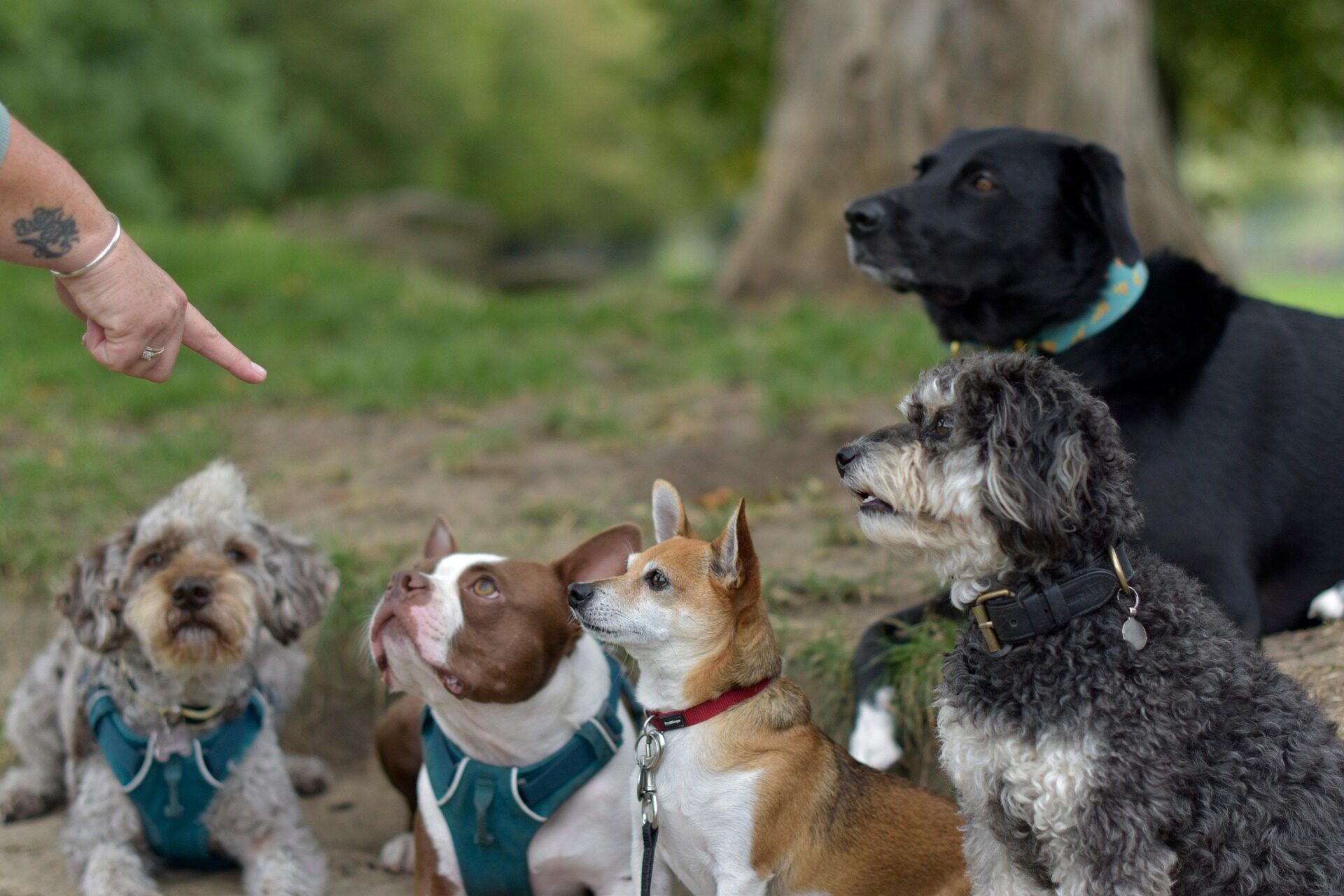
1. Positive Reinforcement Training
This technique involves rewarding a dog immediately after it performs a desired behavior. Rewards can include treats, praise, or toys. The timing of the reward is critical so the dog clearly associates the action with the outcome.
2. Clicker Training
Clicker training uses a small device that makes a distinct “click” sound to mark the exact moment a dog performs the correct behavior. The click is followed by a reward, helping the dog quickly identify which action is being reinforced.
3. Marker Training
Marker training uses a specific word (such as “yes” or “good”) or sound to signal correct behavior. Like the clicker, the marker must be consistent and immediately followed by a reward to reinforce learning.
4. Lure and Reward Technique
In this method, a trainer uses a treat or object to guide a dog into a specific position or behavior. Once the dog follows the lure and performs the action, it receives the reward. Over time, the lure is gradually phased out.
5. Shaping Behavior Technique
Shaping involves reinforcing small steps that gradually lead to a final desired behavior. Instead of waiting for the full behavior, trainers reward incremental progress, helping the dog learn complex tasks through stages.
6. Capturing Natural Behavior
This technique involves observing a dog and rewarding it when it naturally performs a desired behavior on its own. By consistently reinforcing these spontaneous actions, the dog learns to repeat them on cue.
7. Desensitization Training
This exposes a dog to a stimulus at a very low intensity and gradually increases exposure over time. The goal is to help the dog become accustomed to the stimulus without triggering a strong reaction.
8. Counter-Conditioning Technique
It changes a dog’s emotional response to a stimulus by pairing it with something positive. For example, a dog that reacts negatively to a sound may receive treats whenever that sound occurs.
9. Leash Pressure and Release Method
This technique teaches a dog to respond to gentle leash pressure. When the dog moves in the desired direction or position, the pressure is released, helping the dog understand how to respond appropriately.
10. Target Training
This training teaches a dog to touch or follow a specific object, such as a hand or stick. This method is useful for guiding movement, positioning, or teaching more advanced behaviors.
11. Boundary Training
This training teaches dogs to understand physical or invisible limits, such as staying within a yard or off certain furniture. It often involves consistent cues and reinforcement when the dog respects the boundary.
12. Impulse Control Training
Impulse control training focuses on teaching dogs to wait calmly and make controlled decisions. Exercises often include waiting before eating, sitting before going through doors, or remaining calm around distractions.

How to Choose the Right Accredited Program
Selecting the right accredited dog training program is an important step toward achieving effective and lasting results. Understanding the following considerations will help you choose a program that aligns with your goals and your dog’s specific needs.
1. Accreditation and Certification Standards
Check whether the program is recognized by reputable organizations. Accreditation ensures the training methods meet established professional and ethical standards.
2. Trainer Qualifications and Experience
Look into the trainer’s background, including their education, certifications, and hands-on experience. Skilled trainers are better equipped to handle different behaviors and training challenges.
3. Training Methods Used
Evaluate the techniques applied in the program. Ensure they are structured, humane, and based on proven learning principles rather than outdated or inconsistent approaches.
4. Program Structure and Curriculum
An organized program should have a clear progression, starting from basic skills and moving toward more advanced behaviors. This helps ensure steady learning and measurable progress.
5. Customization and Flexibility
Every dog is different, so the program should allow adjustments based on your dog’s temperament, age, and learning pace. Flexible training leads to better outcomes.
6. Class Size or Training Environment
Consider whether the program offers group sessions or one-on-one training. Smaller groups or individual sessions often provide more personalized attention and better focus.
7. Practical Training Opportunities
Programs that include real-life scenarios help dogs apply learned behaviors in everyday situations. This improves reliability outside the training environment.
8. Duration and Time Commitment
Review how long the program lasts and the time required for sessions and practice. Choose a program that fits your schedule while still providing enough time for effective learning.
9. Support and Guidance
Ongoing support after the training program is important for maintaining results. Look for programs that offer follow-up sessions or guidance for continued progress.
10. Facility and Training Conditions
If training is conducted at a facility, ensure it is clean, safe, and well-organized. A proper environment contributes to a more effective and comfortable learning experience.
11. Reviews and Reputation
Research feedback from other dog owners who have used the program. Positive reviews and a strong reputation can indicate consistent and reliable training quality.
12. Cost and Value
Compare the program’s cost with what it offers, including session quality, trainer expertise, and support. The goal is to find a balance between affordability and high-quality training.
Training does not stop when the sessions end. Practicing at home helps your dog remember what it has learned and improves behavior over time. With simple daily efforts, you can keep your dog on the right track and strengthen your bond.
1. Practice Daily
Spend a few minutes each day reviewing commands. Short, regular practice helps your dog remember lessons better than long, occasional sessions.
2. Stay Consistent
Use the same commands and signals taught by the trainer. Consistency avoids confusion and helps your dog respond correctly.
3. Use Positive Rewards
Give treats, praise, or toys when your dog follows commands. Rewards motivate your dog to repeat good behavior.
4. Keep Sessions Short
Limit training to 5–10 minutes at a time. Short sessions keep your dog focused and prevent boredom.
5. Train in Different Environments
Practice in various places like your home, park, or building area. This helps your dog follow commands in any situation.
6. Be Patient
Learning takes time. Stay calm and avoid frustration if your dog makes mistakes. Patience builds trust and better results.
7. Reinforce Good Behavior
Notice and reward good actions even outside training time. This helps your dog understand what behavior is expected.
8. Avoid Punishment
Do not use harsh methods. Instead, guide your dog gently and reward the right behavior to encourage learning.
9. Involve Family Members
Make sure everyone uses the same commands and rules. This keeps training consistent for your dog.
10. Follow Trainer’s Advice
Stick to the techniques and tips given by your trainer. If needed, ask for follow-up support to improve results.
Conclusion
In short, Accredited Dog Training helps you manage your pet responsibly, follow local rules, and build a strong bond based on trust and understanding.
FAQs
1. Group Training Lessons vs Private Training Lessons: Which is Better?
Group training helps your dog learn around other dogs and people. It improves social skills and builds confidence in public settings. Private training gives full attention to your dog’s specific needs and behavior.
2. Does Training Cover Behavioral Problems?
Yes, training programs address common issues like barking, jumping, aggression, and anxiety. Trainers identify the cause of the behavior and use the right techniques to correct it.
3. What Is the Role of Accredited Training in Socializing Dogs?
Accredited training exposes your dog to new environments, people, and other animals in a safe way.
4. How Do Accredited Trainers Handle Behavioral Problems?
Accredited trainers study your dog’s behavior and find the root cause of the issue. They use positive methods like rewards and gradual exposure to correct unwanted behavior.
5. Why Do Accredited Trainers Follow Ethical Training Methods?
Accredited trainers follow ethical methods to protect your dog’s well-being. They avoid harsh punishment and focus on safe, humane techniques.