
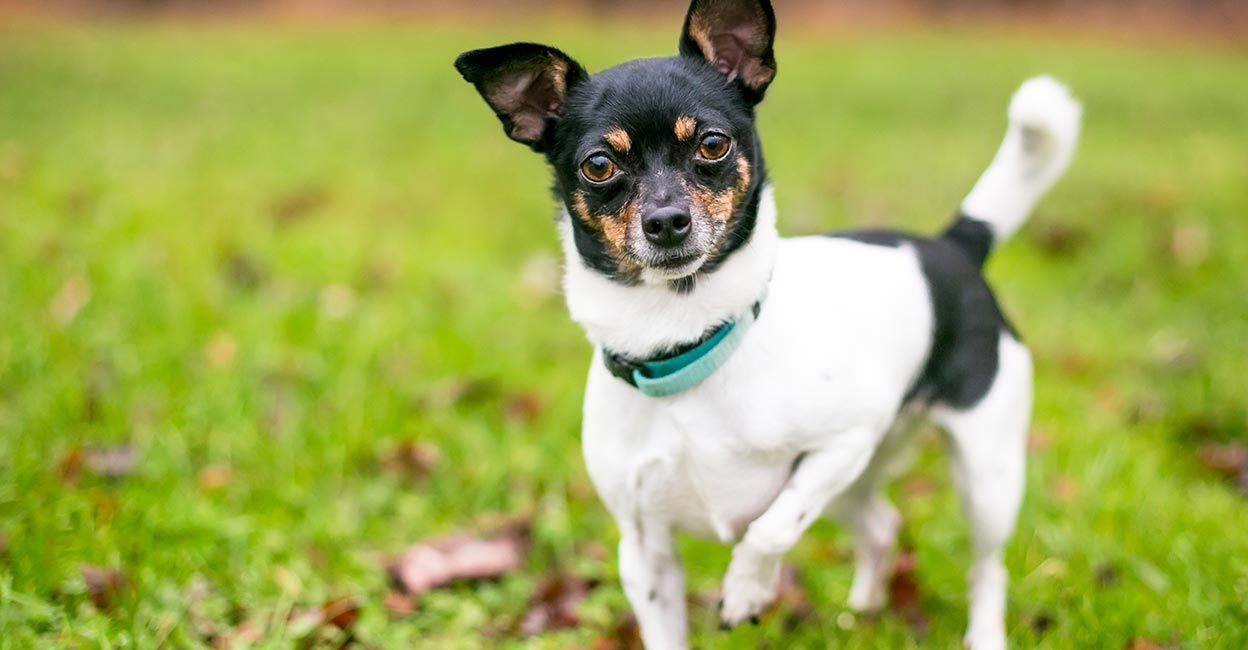
Dogs talk to us all the time, but it is just that they do not speak in words. Rather, they have an intricate language involving tail positions, ear movements, and body position changes to communicate what goes on in their mind. Understanding these communication tools will make a difference in your entire experience with them.
You can recognise behavioural concerns early, respond before they become bigger challenges, and build a stronger relationship with your dog. Most owners miss the tiny warnings. But if you spot those dog body language early on, you can back your dog up before they hit a total breaking point.
The Reality of Canine Stress vs Comfort
Your dog goes through a massive rollercoaster of feelings every single day. Excitement, curiosity, sudden spikes of nerves, or just feeling completely fried by a loud environment. They cannot just say they hate a specific noise, so they use their bodies.
Once you stop guessing and start recognizing these cues, you can handle weird situations with total calm. It saves both of you a ton of unnecessary anxiety. Understanding these signals is an important part of successful dog training in Singapore. Everything clicks much faster when you can tell the exact moment your dog is ready to learn versus when they desperately need a mental break.
Decoding the Happy, Chilled-Out Pup
A relaxed dog usually has a loose, comfortable posture. Their body looks completely fluid, not stiff. Their eyes are soft and blinking, totally skipping that hard, intense stare. Ears sit in their normal, lazy spot, and they might have a slightly open mouth that looks like a goofy smile. Their tail wags in a wide, sweeping motion that sometimes wiggles their whole backend.
When a dog is this chilled out, they are primed to learn. These moments often provide excellent opportunities for training and learning. Just keep in mind that every single pup has a different baseline. Some dogs are naturally energetic, while others have calmer personalities. Learn your own dog’s normal habits so you can see shifts instantly.
Spotting the Red Flags Early
On the flip side, stress rarely starts with a massive growl. It all starts with small, fleeting indications. Small things like licking their lips without any food present, yawning continuously despite the fact that they have only gotten out of sleep. They may avoid making eye contact by turning their head completely away from you or pacing aimlessly without finding peace.
When your dog tucks its tail in tightly or hesitates briefly before doing something, that is definitely a big warning sign. This does not mean you should freak out, since all this really means is that your dog is feeling uncertain about something at present. You should rather allow them to get comfortable again by themselves.
The Wagging Tail Trap and Training Smart
When Happiness is Actually Panic
A huge mistake pet parents make is assuming a wagging tail always equals pure joy. It absolutely does not. Dogs display incredibly similar movements when they are hyper-excited, anxious, or completely overstimulated. A stiff, rapid tail flick can easily look like happiness when it is actually a warning sign of panic. You have to look at the entire picture. Is their torso rigid? Are they moving forward willingly or frozen in place? Connect all the pieces to get the true story.
Why the Environment Changes Everything
Context changes everything, too. A dog might yawn because they finished a massive beach walk, or they might yawn because they are trapped in a tight, noisy elevator. Same behavior, completely opposite emotional meanings. Look at the surroundings before making a guess.
Real obedience work is never about just barking out commands. It is a two-way conversation. During any professional dog obedience training Singapore session, an experienced coach watches micro-expressions non-stop.
If a pup shows signs of mental burnout, switching to a game or taking a quick breathing break keeps the energy positive. You can do the same thing at home. Short, fun, highly consistent game-like sessions will always beat forcing a stressed-out dog to perform. When dogs feel safe, they want to cooperate.
Five Big Mistakes to Avoid
Avoid the following major mistakes: thinking that all tail wags are joyful ones, neglecting the small signs such as fast lip licks, treating your pet dog in the same way as your neighbor’s pet, going ahead with the training session even though your dog is not paying attention, and getting upset over unwanted behavior instead of understanding its cause.
A Different Approach at PerfectK9
At PerfectK9, we believe every dog deserves an approach that reflects their individual personality and learning style. A highly qualified dog trainer looks way past basic obedience commands.
By reading exactly how your dog reacts to pressure in real-time, we tweak the steps to match their specific comfort zone. That builds massive confidence in the dog and gives you the actual skills to keep moving forward at home. Our goal is to create a positive learning experience that both dogs and owners can enjoy together.
Understanding your dog’s language is definitely the first thing that you should try as a dog owner. It will prevent problems from becoming serious, keep everybody safe, and develop strong connections between you. Learning your dog’s language requires much effort and patience, as you need to be aware of all its specific habits and behaviors. No matter if you have a puppy or a senior dog, it pays off very much.
Frequently Asked Questions
Q. Why does dog body language even matter?
Since that is the only way to really know your furry friends. You will be able to help them when they become too overwhelmed, keeping everybody happy and preventing any bad behavior.
Q. Can reading these signs speed up training?
One hundred percent. Dogs learn fast when their brains feel safe and focused. Spotting the moment they get stressed lets you pause before they mentally check out on you.
Q. Do all dog breeds use identical signals?
Mostly, but physical traits mess with things. A dog with a docked tail, heavy face wrinkles, or cropped ears communicates a bit differently than a golden retriever. You always have to judge them against their own personal baseline.
Q. When should I call in a professional dog trainer?
In the event your dog exhibits fearfulness or reactive behavior to an extent that leaves you feeling absolutely helpless, engaging a professional means you will have a clear path on how to address the issue.