
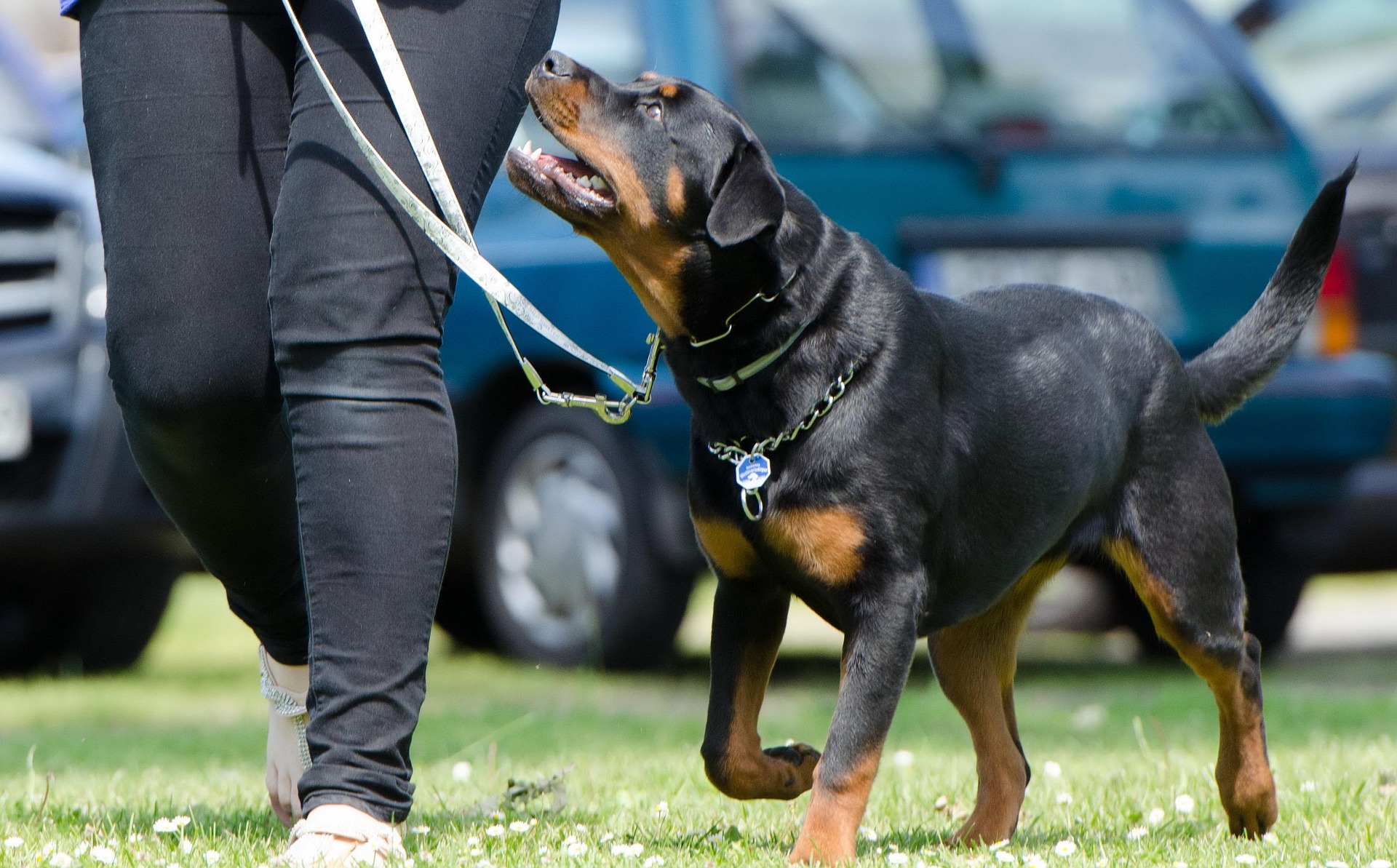
Most folks walk into a training center assuming Dog Training is just about shouting “sit” or “heel” until their pup eventually gives in. Honestly? That is the biggest mistake you can make. If you are only focused on the command, you are missing the actual heartbeat of the relationship.
The goal is not just to make the dog do stuff. It is to make them want to be part of the process. When a dog is truly engaged, they are not just waiting for an order; they are leaning in, testing the waters, and trying to figure out what earns them the jackpot.
Motivation is what feeds the fire. Once you have these two combined, training ceases to be a dull and tedious task and becomes an exciting game of survival and risk that you and your dog play. This is exactly why a seasoned dog trainer will tell you that the most important thing you can teach is not a command; it is the sheer desire to learn.
Defining Engagement: It Is More Than Just Eye Contact
Let us be real. A lot of owners think engagement means their dog has to stare at them like a robot. That is not realistic, and honestly, it is not very fun for the dog. Engagement is really just “buy-in.” It is that split second where your dog decides you are the most interesting thing in the room.
It is about their willingness to jump back into the game when you call them. Maybe you are out on a hike, and you call your dog’s name. If they snap their head toward you, ready to rock, that is engagement. It is a vibe. It does not happen because you force it; it happens because you have built a history of positive, meaningful experiences. Every time you play or reward them, you are filling up their “engagement bank.”
Why Motivation is the Secret Sauce
Motivation is the why for the what. Every dog is crazy with its own preferences. One needs to be an observer. Is your dog one who goes nuts for a stinky cheese? Or maybe your dog is the one who can pass on a steak for the opportunity of playing tug for three crazy minutes?
There is no “right” answer here. If you are struggling, it is usually because you have not found the right currency yet. I have seen dogs that would not sit for a slice of ham but would do backflips for a squeaky tennis ball. If you are checking out professional dog training Singapore programs, the first thing they should be doing is helping you figure out what makes your dog tick. It is not bribery; it is incentive. You are just setting up a scenario where making the right choice pays off for them.
Think Outside the Treat Bag
We get stuck in the habit of thinking training requires a pocket full of dry, boring kibble. But imagine if your boss only paid you in unsalted crackers. Would you work hard? Probably not.
Rewards should be wild and varied. Try using life rewards. Sometimes, the reward for a perfect “sit” is just letting them sniff a bush.
Other times, it could be a five-second wrestling match. And, by making the rewards unpredictable, the dog does not get bored. The best dog training school will help you learn how to reward your pet by using the surroundings. Thus, the more unpredictable your training will be, the more curious the dog will be, while curiosity means a clear mind.
The Nuance of Clear Communication
Do you know what it feels like when you try to understand something in another language? It feels terrible. This is how the dog experiences the situation when our commands are confusing. If you instruct your dog “down” on one day and “lie” on another, or reward him too long after, you simply confuse him.
Clarity is an act of kindness. When the dog knows exactly what you want from him, he becomes more relaxed and confident. Timing is the bridge. If you mark the behavior, whether with a clicker or a “yes!”, it has to happen the exact second the dog acts. If you wait even two seconds, you are reinforcing the wrong thing. Good timing makes you look like a total magician to your dog. It makes the world make sense.
Keep It Short, Fun, and Daily
Forget about making training a 45-minute ordeal. It is sure to end up driving you crazy! The greatest trainers out there realize that three minutes is much better than an hour!
Train during your routine. Wait a minute before putting their bowl down. Work on a “heel” as you head to the mailbox. Learning that becomes a part of your life is not work at all. It just feels like living. This gives your dog a million chances to practice, which builds muscle memory much faster than one boring weekly session.
When The Spark Fades
Other times, your dog will just tune out. They may be tired, overstimulated, or simply having one of those “blah” days. This is where most people fall off track; they become frustrated or start forcing the issue.
In cases like this, take a break. Make the exercise easier, change it up, or simply move on to another day. Forcing your dog when they are already frustrated is a sure way to associate training with bad feelings. Always try to be the supportive partner and not the drill instructor. Help them succeed in their struggle and make it easier for them to succeed.
How We Approach The Theory
At Perfect K9, we do not believe in one-size-fits-all nonsense. Every dog is a project, a puzzle, and a companion. We focus on the why as much as the how. A truly effective school empowers you to be your dog’s favorite teacher. We focus on practical, real-world application because that is where the relationship lives, not in a classroom, but in your home and on your daily walks.
Conclusion
The whole idea of engagement and motivation is based on one single point: education must be fun. As soon as you understand what makes your dog happy, honor his time frame and communicate clearly with him, you stop working with a dog. You are building a language.
Frequently Asked Questions
Q. What is engagement in dog training?
Engagement is the “hook” that your dog has on him/her during a session. It is not only about obedience, but it is also an opportunity for the dog to stay engaged, to pay attention to you, and to concentrate on the job rather than the squirrels in the park.
Q. What is a dog’s motivation?
Motivation is deeply personal. Though food is the obvious choice, many dogs are more motivated by play, love, or desire to go look at something new. The key is to try and see what kind of “paycheck” your dog will really appreciate for their efforts.
Q. Why is my dog only interested in training for a short while?
Typically, it is due to them being overwhelmed, it is too difficult, or the session has lasted too long. When the dog clicks out, that is a signal to the trainer to back off, make things easier, or wrap the session up on a high note.
Q. Is there a way to enhance my dog’s motivation through professional training?
Absolutely. A pro trainer looks at your dog objectively and can determine any unique behaviors. They assist you in creating a routine that will keep the dog on his toes and therefore stimulate him to work, which is just what a dog does not do naturally.
Q. What are the things I need to consider when selecting a training school for my dog?
Find a school that focuses on positive reinforcement and treats your dog as an individual. You want trainers that will teach you about body language. Do not approach anyone who uses fear; the best learning takes place when the dog feels safe, confident, and excited to participate.