
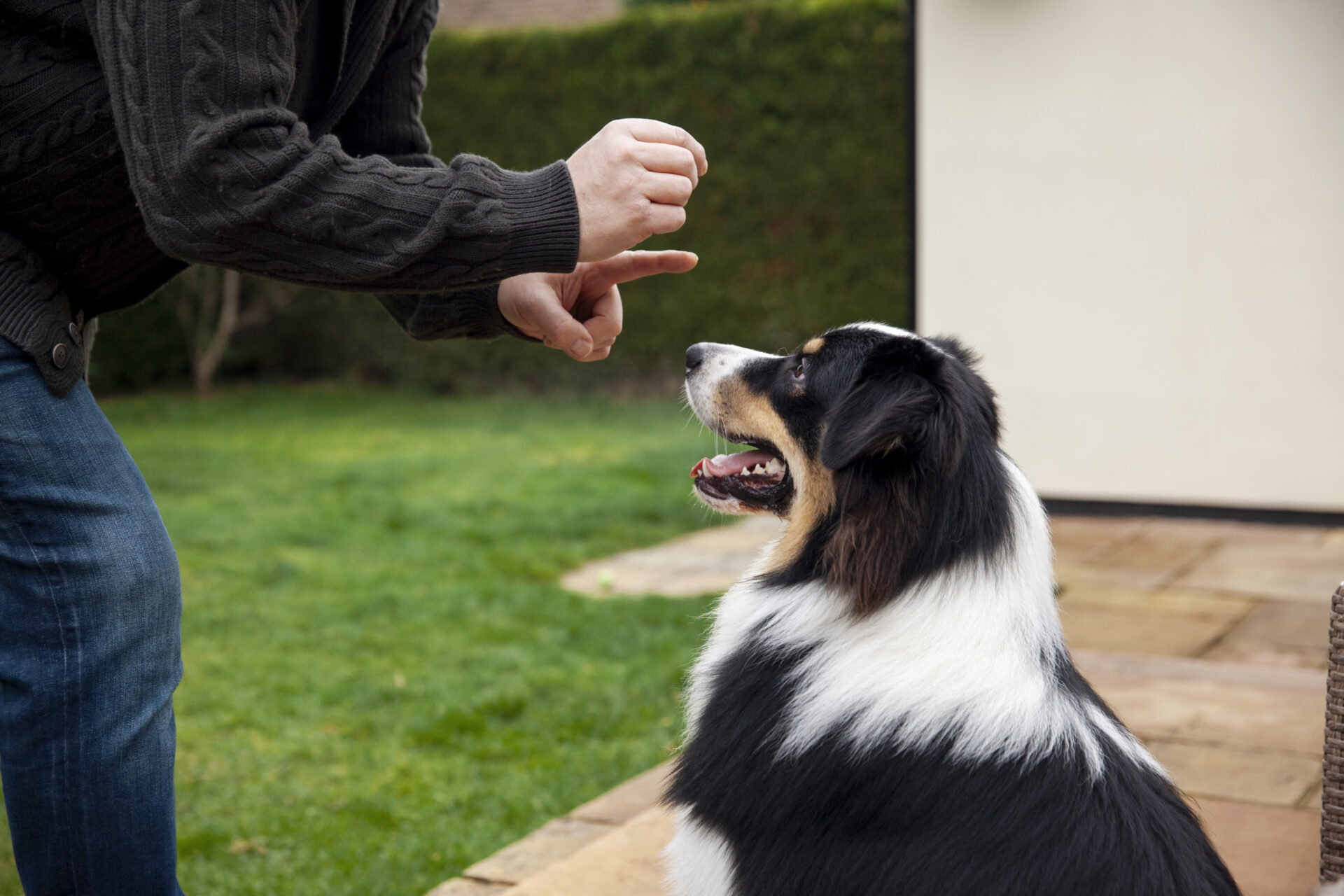
When most people bring home a puppy, training usually starts with the same goals. Teach them to sit. Teach them to stay. Stop the biting. Make sure they do not pull on the leash. It makes sense. Those are the things everyone talks about.
But seriously, the first thing you should be learning is not commands. You must learn to take the time to understand your puppy’s initial message before you can interpret your words.
That starts with dog body language. Once you start paying attention to those signals, everything about training begins to feel easier.
Your Puppy Is Already “Talking” To You
Many new dog owners believe that puppies are unpredictable. They are bouncing around the home one minute and hiding under a table the next, or biting your hands for no particular reason.
Understanding dog body language will enable you to “read” these subtle signals early before they become serious issues. Do not react when your puppy is already stressed. Respond earlier and help keep your puppy safe.
Commands Can Wait. Connection Comes First
Most people rush into obedience because they want their puppy to behave quickly. That is understandable. Life gets easier when your dog listens.
But real training is not just about getting your puppy to follow instructions. It is about building a connection with them.
That is why a good dog training school focuses on more than basic commands. The best trainers teach owners how to read their puppy’s behavior just as much as they teach puppies how to respond.
When your puppy feels understood, they learn faster. They feel calmer. They trust you more.
A Lot Of “Bad Behavior” Is Actually Confusion
It is easy to label certain puppy habits as naughty. Jumping. Barking. Nipping. Refusing to walk. Ignoring recall.
But sometimes, these signals demonstrate that your puppy is under stress and anxiety while lacking understanding of your expectations.
Puppy training in Singapore provides essential support to new dog owners who need assistance. A formal start will provide structure for the puppies, but will also provide guidance for the owners on how to act correctly.
The less you get frustrated, the greater understanding you will have of your dog’s emotions. That minor change makes a great difference.
Dogs React Long Before They Obey
Think about how often your puppy looks at you during the day. They check in when they are unsure. They look for reassurance in new environments. They react to your tone, your movement, even your mood.
The more you understand dog body language, the more you will be able to see when they are feeling good, when they need comforting, and when they are getting close to feeling overwhelmed.
The moments are more significant than people realise. They support you in guiding your puppy in a manner that is not stressful. After all, this builds a deeper connection over time.
Listening Is Part Of Training Too
Building a strong relationship with your puppy takes time, patience, and trust. The more secure your puppy feels around you, the more confident they become when learning new things.
Pet owners are exploring different ways to strengthen their bond with their dogs. They want a deeper connection built on trust, understanding, and companionship.
Training Gets Easier When Your Puppy Feels Safe
Many owners are surprised by how much easier obedience becomes once their puppy feels secure.
A dog that feels safe learns better. A dog that feels understood is more willing to trust your guidance.
That is why understanding dog body language should come before trying to perfect commands. It helps you create an environment where learning feels natural instead of forced.
At Perfectk9, We Start With Understanding
At PerfectK9, we believe training starts long before a dog learns their first command. Yes, obedience matters. Structure matters. Clear boundaries help puppies grow into calm and confident dogs.
But understanding your puppy’s signals is just as important. When owners learn how to read what their puppies are feeling, training becomes smoother, trust builds faster, and the relationship feels stronger from day one.
That is the foundation we focus on first.
Conclusion
Teaching your puppy to sit and stay will always matter. Those skills can be helpful and make life easier.
First of all, though, spend some time learning to read your dog. Observe their movements. Observe changes that occur when they are nervous, excited, or unsure. Be mindful of the subtle cues you are given daily.
The first thing your puppy needs is not another command! It is to be understood.
FAQs
Q. If not sit or stay, what should I teach my puppy first?
You should first teach your puppy how to signal commands. Knowing what makes them feel comfortable, stressed, or happy will enable you to respond more effectively, making future training seem much more natural and comfortable.
Q. Why is understanding my puppy more important than commands?
The training commands function properly only when your puppy reaches the learning readiness stage. The ability to understand their emotional state enables you to improve your guidance methods. This builds trust first, and training becomes much easier after that.
Q. Do puppies act differently from day to day?
Yes, completely. Your puppy has a lot of new experiences and feelings to negotiate. They might feel good and be playful on some days, unsure or extra sensitive on others. That is a part of learning.
Q. Does knowing how to understand my puppy make it easier to train?
Absolutely. If you know how your puppy is feeling, you can react more serenely and helpfully. This establishes trust and decreases frustration and can often speed up training significantly.