
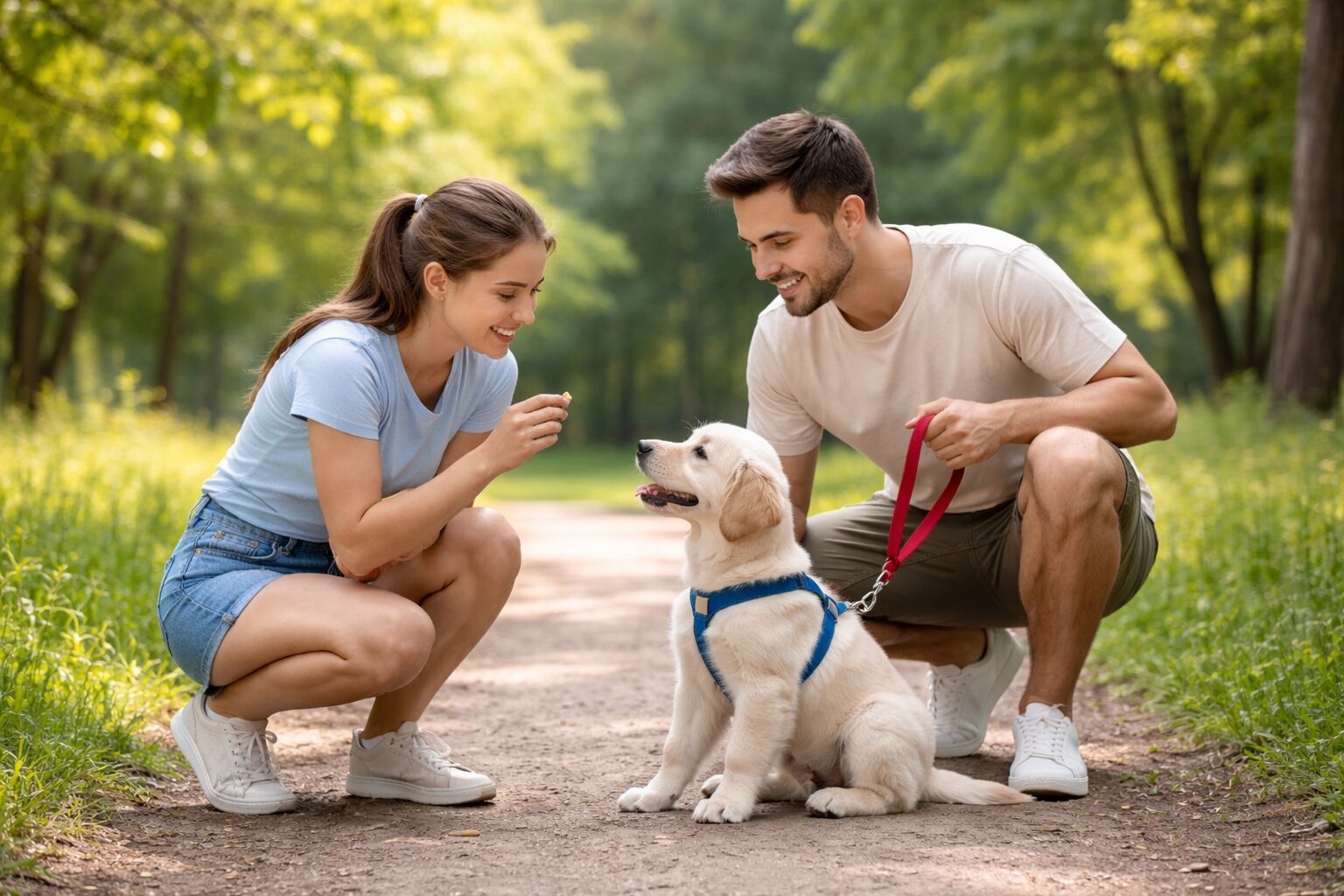
Leash training sounds simple until you actually try it. One puppy plants their feet and refuses to move. Another pulls like they are late for something important. Some roll, bite the leash, or panic the moment it clips on. This is exactly why early dog obedience training matters more than people think.
The leash is not just a walking tool. It is a communication tool. If your puppy does not feel safe or clear on it, every walk becomes a struggle. The goal is not perfect walking. The goal is a puppy who feels calm, confident, and connected to you while moving together.
Why Its Important?
Many owners prefer to consult a Singapore Puppy Trainer because leash problems show up. These can ruin what could have been a fun walk with your dog. The good news is you do not need harsh tools or complicated rules. With patience, timing, and some basic structure, leash comfort is very achievable, even through affordable dog training methods that work in real homes.
Start Where Your Puppy Feels Safe
Leash training should not begin on the street. That is already too much pressure.
Start inside your home. Clip the leash on and let your puppy move around freely while you supervise. Do not hold the leash tight. Do not try to walk yet. Let your puppy feel it dragging, touching their legs, and moving naturally.
If they seem unsure, reward calm behavior. If they ignore it, even better. That means you are off to a good start.
Make the Gear Feel Normal, Not Important
When owners act like the collar or leash is a big deal, puppies feel that energy.
Put the collar or harness on during calm moments. Mealtime works great. Let your puppy wear it without going anywhere. No excitement. No big reactions.
Comfort comes from repetition. The more normal it feels, the less your puppy thinks about it.
Do not Drag, Do not Force
This part matters. If your puppy stops walking, you stop too. Pulling teaches resistance, not confidence. Puppies that get dragged either shut down or fight back. Neither helps long-term.
Instead, encourage movement. Use your voice. Use food. Take a step back and invite them toward you. When they move willingly, reward that choice.
You are teaching cooperation, not control.
Keep Early Walks Short and Boring
A lot of leash problems come from doing too much, too fast. Early walks should be short. Really short. Five minutes is fine. Ten is plenty
The goal is not how far you go, but how comfortable the walk feels.
If your puppy finishes the walk calm and relaxed, you have won. End on a good note and stop before things fall apart.
Use Food With Purpose
Food is not cheating. It is information. Use treats to show your puppy where you want them to be. Reward loose leash moments, eye contact, and calm movement. Do not wait for perfection. Reward effort.
Over time, you will use less food. But in the beginning, food speeds up understanding and reduces frustration for both of you.
This is where structured dog obedience training really helps because timing matters more than quantity.
Expect Weird Behavior (It is Normal)
Puppies will bite the leash. They will spin. They will walk sideways. They will flop on the floor dramatically.
None of this means you are failing.
It means your puppy is learning something new with a developing brain and body. Stay calm. Redirect instead of correcting. If things get messy, pause, reset, and try again later. Progress is not always clean.
Learn to Read What Your Puppy Is Saying
A puppy that freezes is not stubborn. A puppy that pulls back is usually unsure, not disobedient.
Watch their body. Are they tense? Are they scanning the environment? Are they overwhelmed?
Understanding these signs early prevents bigger issues later. This is often where working with a Singapore puppy trainer owners rely on makes a huge difference. When you understand the “why,” the fix becomes obvious.
Consistency Beats Everything
You do not need long sessions. You need regular ones.
Practice daily. Same expectations. Same calm energy. Puppies learn patterns quickly when the rules do not change.
One calm walk a day is better than multiple stressful ones.
How We Work on Leash Training at Perfect K9
At Perfect K9, we do not rush leash training. We build it properly.
We aim for confidence, emotional control, and clarity, teaching pups to move with their owners instead of against them. That means fewer power struggles and more cooperation.
Our approach fits real life. Real schedules. Real dogs. Real owners who want results without turning training into a full-time job.
Conclusion
Making your puppy comfortable with the leash is not about fixing behavior. It is about teaching trust and communication. When your puppy feels safe and clear, good walking naturally follows. Perfect K9’s professional advice and the proper dog obedience training will ensure that leash difficulties do not turn into lasting issues.
Trustworthy, experienced trainers can help you avoid weeks of frustration and misunderstandings. And no, it does not have to be pricey. Through regular support and cheap dog training, serene, pleasant walks are definitely attainable.
FAQs
Q. How long does leash training usually take?
Most puppies improve within a few weeks with consistent, calm practice.
Q. Should I stop walking if my puppy pulls?
Yes. Stop and wait for the leash to loosen before moving again.
Q. Is a harness better for puppies?
Often yes. Many puppies feel more comfortable in a well-fitted harness.
Q. Why does my puppy bite the leash?
It is usually excitement or curiosity. Redirect calmly instead of correcting.
Q. Can I train leash skills indoors only?
Yes. Indoor practice is a great way to build confidence before going outside.