

Why Every Dog Deserves Training, Even Calm Ones? Many people believe that only naughty or overly active dogs need training, but that is far from the truth. In reality, every dog deserves training, whether they are calm, obedient, young, or old. Training is not just about correcting bad behavior; it is about enriching your dog’s life, strengthening your bond, and supporting their emotional well-being. In this article, we will explore 10 powerful reasons why training is essential for all dogs.
What Does Dog Training Mean?
When people hear “dog training,” they often picture strict commands like “sit,” “stay,” or “heel.” But real training is much more than obedience. It isa way to communicate with your dog, build trust, and help them understand the world around them. Whether it is0 teaching basic manners or fun tricks, training creates structure, boosts confidence, and strengthens your bond. Simply put, dog training is about connection, not control.
Why Even Good Dogs Need Training
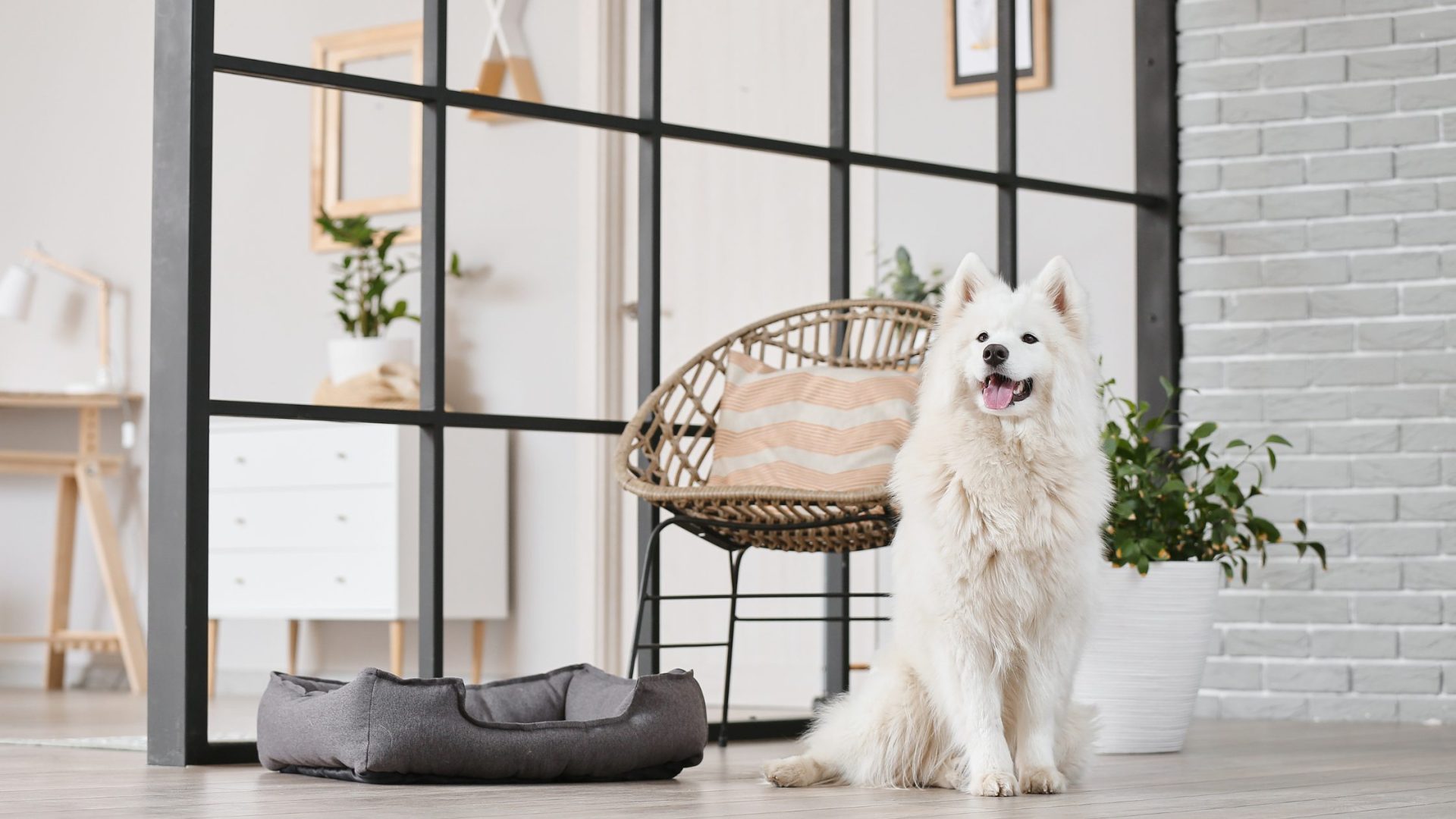
Many pet owners believe that if their dog is calm, quiet, or obedient, there is no need for further training. But this is a common misconception. Even the “good dogs” can become bored, anxious, or develop bad habits over time. Training is not just for fixing problems, it is for keeping your dog mentally sharp, emotionally balanced, and socially confident. The truth is, every dog deserves training, no matter how well-behaved they appear.
🐾 Types of Dog Training (Even for Well-Behaved Dogs)
| Type of Training | What It Focuses On | Best For |
|---|---|---|
| Basic Obedience | Sit, stay, come, heel | All dogs (especially for building communication) |
| Positive Reinforcement | Reward-based learning and behavior shaping | Dogs of all temperaments |
| Socialization Training | Comfort around people, pets, and environments | Puppies, shy dogs, or re-socialization cases |
| Crate Training | Creating a safe, calm space for rest and travel | Puppies and anxious dogs |
| Leash Training | Walking calmly on a leash | Pullers or distracted walkers |
| Agility Training | Fun obstacle courses, speed, and coordination | Energetic and curious dogs |
| Scent Work | Using the dog’s nose to find items or treats | Bored, curious, or low-energy dogs |
| Trick Training | Teaching playful behaviors like paw, spin, and roll over | Calm or confident dogs need enrichment |
| Therapy Dog Preparation | Training dogs to be calm and gentle in all settings | Well-behaved, friendly dogs |
| Advanced Obedience | Off-leash control, complex commands | Mature, focused dogs or those continuing basics |
Factors to Consider Before Starting Dog Training
Dog training is not one-size-fits-all. Every dog has a unique personality, energy level, and learning style. Before jumping into a training program, it is important to understand what your dog truly needs and what will work best for both of you.
10 Important Factors to Consider Before Starting Dog Training
- Your Dog’s Age
Puppies learn differently from adult or senior dogs. Choose age-appropriate training that matches their developmental stage. - Temperament and Personality
Is your dog shy, confident, easily distracted, or independent? Tailoring training to suit their nature makes it more effective. - Training Goals
Are you focusing on basic manners, problem behaviors, or enrichment? Clear goals help you select the right method and trainer. - Trainer’s Approach
Look for positive reinforcement methods and avoid harsh punishment-based techniques. The right approach builds trust and results. - Consistency and Time Commitment
Training requires daily effort. Make sure you can commit time to reinforce skills at home, not just during sessions. - Your Dog’s Health and Energy Level
Energetic dogs might enjoy agility, while older or calmer dogs may prefer scent games or light obedience work. - Environment and Distractions
Some dogs train better at home; others benefit from group settings. Consider how your dog reacts to new places and sounds. - Socialization Needs
Training is not just about commands, it is also about helping your dog interact safely and politely with others. - Budget and Class Options
Private lessons, group classes, or online programs vary in cost. Pick what fits your budget and your dog’s learning style. - Ongoing Practice and Lifelong Learning
Training is not a one-time fix. Dogs need refreshers and continued learning to stay sharp and engaged throughout their lives.
10 Reasons Why Every Dog Deserves Training
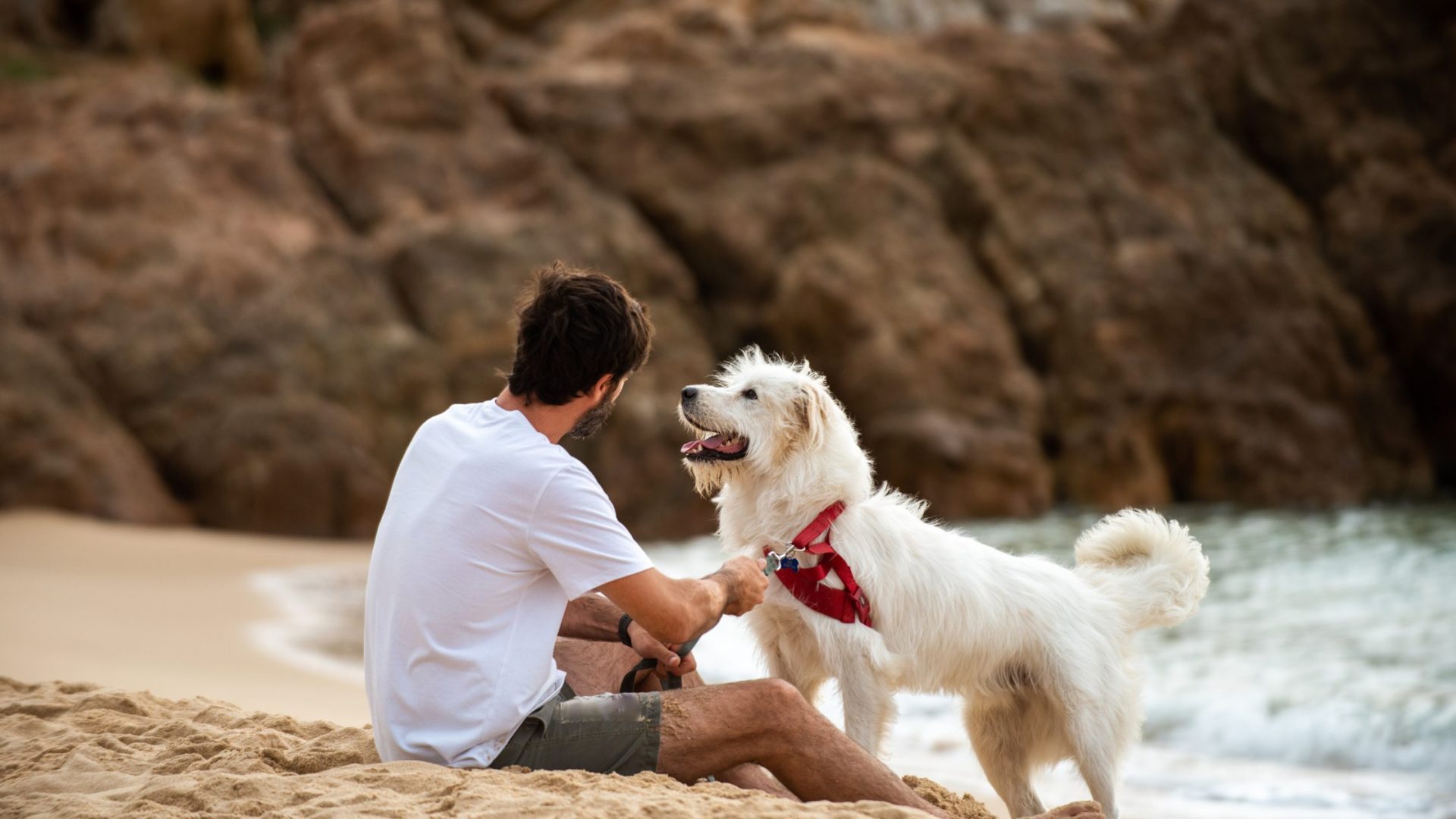
Training is not just about fixing mistakes, it is about unlocking a dog’s full potential. Calm behavior does not mean a dog is fully prepared for life’s challenges. Even the most relaxed pets gain valuable life skills through regular guidance.
1. Builds Daily Structure
Just like humans, dogs thrive when they know what to expect. Training establishes predictable routines that help your dog feel safe and organized throughout the day. Whether it is morning walks, mealtime manners, or bedtime rituals, a well-structured schedule reduces anxiety and builds confidence in your pup.
2. Encourages Safer Behavior
A trained dog is a safer dog for themselves and others. Knowing simple cues like “stop,” “leave it,” or “stay” can prevent accidents, whether you’re near a busy road or encountering unfamiliar animals. These safety habits become second nature with consistent, positive reinforcement, giving you peace of mind.
3. Sharpens Focus
Dogs are easily distracted, especially in environments with lots of smells, sounds, and excitement. Training enhances their ability to stay present and pay attention. With regular sessions, even high-energy dogs learn to listen closely, wait their turn, and respond to your voice in any setting.
4. Reinforces Boundaries
Establishing limits is crucial for a dog’s emotional well-being. Training helps them understand what is okay and what is not, both at home and out in the world. Whether it is not jumping on guests or respecting your personal space, clearly defined rules give dogs a comforting sense of stability.
5. Enhances Communication Skills
Training bridges the communication gap between you and your furry friend. You learn how to give clear cues, while your dog learns how to interpret your body language and tone. Over time, this shared understanding builds a deeper, more trusting relationship where fewer words are needed.
6. Introduces Healthy Challenges
Dogs, no matter their breed or age, need mental stimulation to stay balanced. Training sessions serve as puzzles that engage their brain and spark creativity. These small challenges—like learning a new trick or practicing recall—are fun and rewarding and help curb boredom-related behaviors.
7. Fosters Independence
A trained dog becomes more adaptable and confident in unfamiliar situations. From vet visits to traveling or staying with a pet sitter, they can handle new environments with less stress. By building skills like crate training or solo play, your dog learns how to be calm even when you are not around.
8. Boosts Self-Control
Impulse control does not come naturally, it must be taught. Training helps dogs pause and think before acting, which is especially helpful when they are excited or tempted. Over time, this practice leads to better choices, like sitting before crossing a street or resisting the urge to bark excessively.
9. Supports Better Public Manners
Being around people, pets, and distractions can be overwhelming. Training teaches your dog how to behave politely in busy settings, like parks, cafés, or vet clinics. Whether walking calmly on a leash or greeting others gently, these social skills make public outings smoother for everyone involved.
10. Strengthens Your Leadership
Consistent training shows your dog that you are a calm, reliable guide they can count on. This sense of leadership is not about dominance, it is about mutual respect.
Older Dogs Can Learn Too
Training is not just for puppies, senior dogs thrive with learning too.
It is never too late to train. Older dogs can learn new commands, enjoy puzzle-solving games, or even try fun activities like scent work. Training keeps their brains sharp and gives them a sense of purpose. Plus, it strengthens your bond during their golden years, making every moment count.
Classes and Training Sessions Are Enriching and Fun
Training is not a punishmen, it is an enjoyable activity for both of you. They include activities like agility, rally, tricks, and games that build joy into learning. Dogs love the mental challenge and the attention from their humans. And owners get to see their pets shine, even in ways they did not expect. Training becomes something to look forward to, not dread.
Conclusion:
Training is not a fix, it is a form of love, enrichment, and long-term care. Whether your dog is calm, excitable, old, or young, one thing is certain: every dog deserves training. Not because they are bad, but because they deserve the joy, confidence, and connection that comes from learning together.
Ready to strengthen your bond with your dog?
Discover more simple and effective training tips to help your dog thrive even the calm ones!
👉 Browse our dog training articles now and build a happier, well-behaved companion.
FAQs
1. Do calm dogs still need training?
Yes, even calm dogs benefit from training to strengthen their bond with you, understand boundaries, and stay mentally stimulated.
2. Is it not raining only for hyper or aggressive dogs?
No, training is for all dogs; it helps with communication, builds trust, and improves safety for every dog, regardless of temperament.
3. What is the benefit of training a dog that already behaves well?
Training reinforces good behavior, prevents future issues, and keeps your dog mentally and emotionally balanced.
4. Can basic training improve my dog’s safety?
Absolutely. Commands like “stay,” “come,” and “leave it” can protect your dog from danger in everyday situations.
5. How does training help with bonding?
Training strengthens the relationship between you and your dog by building trust, mutual respect, and understanding.
6. Will training make my calm dog bored or less playful?
Not at all. Training adds mental stimulation and gives your dog a fun way to engage with you.
7. At what age should I start training my calm dog?
Start as early as possible, even with puppies. However, dogs of any age can learn and benefit from training.
8. How often should I train a calm dog?
Just a few minutes a day is enough. Consistency is key, not long sessions.
9. Can training reduce my dog’s anxiety or fear?
Yes, positive training builds confidence and helps calm dogs handle new experiences or stressful situations better.
10. Should I hire a trainer if my dog is already calm?
It can still be helpful. A trainer can teach advanced skills, offer enrichment, and strengthen your dog’s overall behavior.